Introduction
Stress is a normal part of everyday life. People experience it because of work responsibilities, academic pressure, financial concerns, family situations, relationships, and unexpected challenges. A small amount of stress can sometimes motivate people to complete tasks and solve problems. However, when stress becomes frequent or overwhelming, it can affect both physical health and emotional wellbeing.
Learning effective stress management techniques can help people handle daily challenges, improve concentration, maintain healthier relationships, and develop a more balanced lifestyle. Managing stress does not mean avoiding every difficult situation. Instead, it means understanding your reactions and developing healthy ways to respond.
In this guide, we explore how stress affects daily wellbeing, practical techniques for reducing stress, and simple habits that can make everyday life more manageable.
What Is Stress Management?
Stress management refers to the strategies and habits people use to understand, control, and respond to stressful situations. These techniques help individuals manage emotional pressure and avoid allowing temporary difficulties to affect every part of their lives.
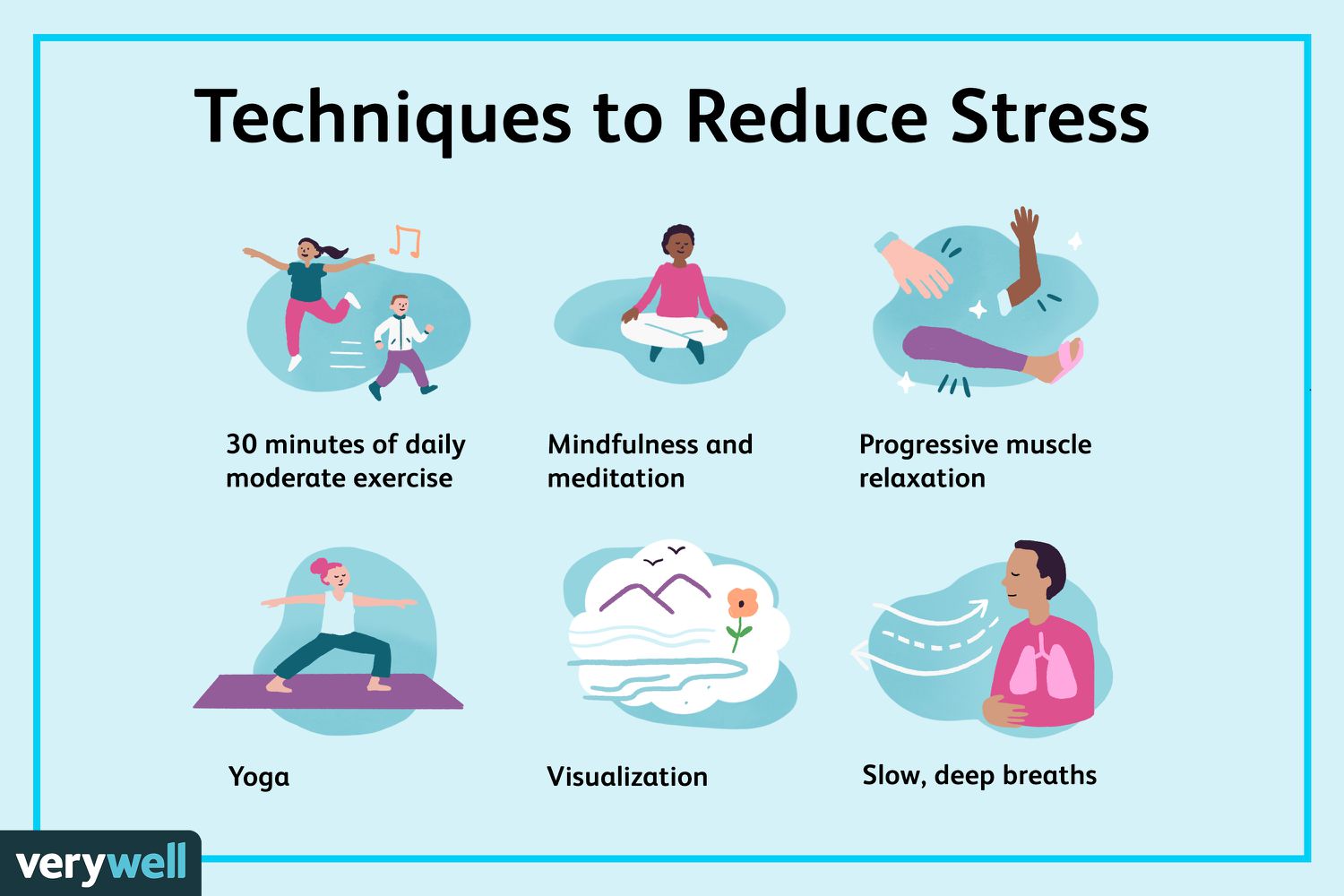
Stress management can include several activities, such as:
- Practicing relaxation and breathing exercises.
- Maintaining a consistent sleep schedule.
- Participating in regular physical activity.
- Organizing daily responsibilities.
- Building supportive relationships.
- Taking breaks and making time for enjoyable activities.
- Developing healthier ways to think about difficult situations.
There is no single technique that works for everyone. Some people feel calmer after walking outdoors, while others benefit from meditation, journaling, talking with friends, or organizing their daily schedules.
The most effective approach is to identify what causes stress and choose healthy strategies that fit your lifestyle.
How Stress Affects Your Daily Wellbeing
Stress can influence how people think, feel, behave, and interact with others. Its effects may be temporary, but ongoing stress can make ordinary responsibilities feel increasingly difficult.
1. Effects on Mental Health
Frequent stress can contribute to worry, irritability, frustration, and feelings of being overwhelmed. People may find it difficult to concentrate, make decisions, or remain patient during everyday activities.
For example, a student preparing for several examinations may struggle to focus because of constant worry about academic performance.
Learning healthy coping strategies can help people recognize these feelings and respond more calmly.
2. Effects on Physical Health
Stress can trigger physical reactions, including muscle tension, headaches, stomach discomfort, sweating, and a faster heartbeat.
When stress continues for long periods, it may also interfere with sleep and make it harder to maintain healthy routines.
Taking care of physical wellbeing through movement, balanced meals, relaxation, and adequate rest can support healthier stress responses.
3. Effects on Sleep Quality
People experiencing stress may find it difficult to fall asleep because their minds remain focused on unfinished tasks, worries, or future responsibilities.
Poor sleep can make it harder to manage emotions and concentrate the following day. This may create a cycle in which stress affects sleep and insufficient sleep makes daily challenges feel more difficult.
A consistent bedtime routine and relaxing activities before sleep can help improve rest.
4. Effects on Relationships
Stress can influence communication and interactions with family members, friends, and colleagues. Someone who feels overwhelmed may become impatient, withdraw from conversations, or misunderstand others.
Recognizing stress-related reactions can help people communicate more thoughtfully and avoid unnecessary conflicts.
Taking time to listen, explain feelings, and maintain supportive relationships can make difficult periods easier to manage.
10 Effective Stress Management Techniques for Daily Life
Developing healthy habits is one of the most practical ways to improve everyday stress management. The following techniques can be adapted to different schedules, lifestyles, and personal needs.
1. Practice Deep Breathing Exercises
Deep breathing is a simple relaxation technique that can help you feel calmer during stressful moments.
When people experience stress, their breathing may become faster or shallower. Slowing down the breathing process can encourage relaxation and provide a short mental break.
Try this simple exercise:
- Sit comfortably with your feet resting on the floor.
- Relax your shoulders and facial muscles.
- Breathe gently through your nose.
- Slowly breathe out through your mouth.
- Continue for several minutes without forcing your breath.
You can practice this exercise before an important meeting, during a study break, or whenever you feel overwhelmed.
Regular practice may make it easier to use breathing exercises when stressful situations occur.
2. Stay Physically Active
Physical activity is an important part of maintaining mental and physical wellbeing. Walking, cycling, swimming, dancing, and other enjoyable activities can help reduce tension and improve mood.
You do not need an expensive gym membership or a complicated exercise routine to get started.
Consider these simple options:
- Take a 20-minute walk.
- Stretch between work or study sessions.
- Try beginner-friendly yoga.
- Use the stairs instead of an elevator when appropriate.
- Participate in a sport or recreational activity.
Choose activities that match your fitness level and health needs. Even small amounts of regular movement can help you build a healthier routine.
3. Maintain a Healthy Sleep Routine
Quality sleep supports concentration, emotional balance, and the body’s ability to recover from daily activities.
An irregular sleep schedule may make stress harder to manage. Creating consistent bedtime habits can help improve sleep quality over time.
Helpful sleep habits include:
- Going to bed and waking up at consistent times.
- Reducing screen use before bedtime.
- Keeping your bedroom comfortable and quiet.
- Avoiding heavy meals immediately before sleeping.
- Limiting caffeine later in the day.
- Practicing a relaxing activity before bed.
Most adults need at least seven hours of sleep each night, although individual needs can vary.
4. Organize Your Daily Responsibilities
An unorganized schedule can create unnecessary pressure. When several tasks compete for attention, it becomes difficult to decide where to begin.
Time management can make responsibilities feel more manageable.
Try these practical steps:
- Write down your important daily tasks.
- Identify the most urgent responsibilities.
- Divide large projects into smaller steps.
- Set realistic deadlines.
- Take short breaks between demanding activities.
- Avoid accepting more work than you can reasonably complete.
Remember that productivity does not mean completing everything at once. A realistic schedule allows you to make steady progress without unnecessary pressure.
5. Practice Mindfulness and Meditation
Mindfulness involves paying attention to the present moment without immediately judging your thoughts or feelings.
During stressful situations, people often focus on past mistakes or future problems. Mindfulness can help redirect attention toward what is happening right now.
A beginner-friendly mindfulness exercise:
- Find a quiet and comfortable place.
- Sit naturally and relax your body.
- Focus on the movement of your breathing.
- Notice thoughts as they appear.
- Gently return your attention to your breathing.
Start with five minutes and increase the duration if it feels comfortable.
Meditation is not about completely stopping your thoughts. It is about practicing awareness and learning to respond to thoughts more calmly.
6. Talk to Someone You Trust
Keeping every worry to yourself can make stressful experiences feel more difficult. Talking with someone you trust may help you understand your situation and consider possible solutions.
You might speak with:
- A close friend.
- A family member.
- A teacher or academic adviser.
- A trusted colleague.
- A qualified counselor or mental health professional.
You do not always need someone to solve your problems. Sometimes, having a supportive person listen without judgment can make a meaningful difference.
7. Make Time for Activities You Enjoy
Daily responsibilities can leave little time for personal interests. However, enjoyable activities are an important part of a balanced lifestyle.
Consider making time for:
- Reading a book.
- Listening to music.
- Gardening.
- Cooking a favorite meal.
- Spending time outdoors.
- Playing a recreational sport.
- Learning a creative skill.
These activities provide opportunities to relax and take a break from demanding responsibilities.
Even a short period of enjoyable personal time can help create a healthier daily routine.
8. Eat Balanced and Regular Meals
Food choices can influence energy levels and general wellbeing. Skipping meals or relying heavily on highly processed snacks may make it harder to maintain consistent energy throughout the day.
A balanced eating pattern can include:
- Fresh fruits and vegetables.
- Whole grains.
- Protein-rich foods.
- Healthy sources of dietary fat.
- Enough water throughout the day.
Try to maintain regular meal times and notice how different foods affect your energy and comfort.
No particular food can eliminate stress, but healthy eating habits can support overall physical wellbeing.
9. Reduce Unnecessary Digital Distractions
Constant notifications, social media updates, and online information can make it difficult to relax or concentrate.
Taking intentional breaks from digital devices can help create more space for rest and meaningful activities.
You can start by:
- Turning off unnecessary notifications.
- Avoiding work messages during personal time.
- Setting limits on social media use.
- Keeping phones away during meals.
- Taking short screen breaks throughout the day.
A healthier relationship with technology can support better concentration and a more balanced routine.
10. Learn to Set Healthy Boundaries
Trying to satisfy every request can create unnecessary pressure. Healthy boundaries help people protect their time, energy, and personal responsibilities.
For example, you can politely explain when your schedule is full or ask for additional time when a deadline is unrealistic.
Setting boundaries does not mean ignoring other people. It means recognizing your limitations and communicating them respectfully.
Learning to say no when necessary can help prevent excessive commitments and make everyday responsibilities easier to manage.
Benefits of Effective Stress Management
Practicing stress management techniques consistently can support several areas of daily wellbeing.
| Area of Wellbeing | Potential Benefits |
|---|---|
| Emotional health | Better awareness of emotions and healthier coping responses |
| Concentration | Improved ability to focus on important tasks |
| Sleep | More consistent and relaxing bedtime habits |
| Physical wellbeing | Greater motivation to maintain healthy routines |
| Relationships | More thoughtful communication and patience |
| Productivity | Better organization and task prioritization |
| Confidence | Greater ability to approach everyday challenges |
These benefits do not happen overnight. Stress management is a gradual process that becomes more useful when healthy habits are practiced regularly.
A Simple Daily Stress Management Routine
A daily routine can make stress management easier because it turns healthy activities into regular habits.
Here is an example of a balanced routine that you can adjust according to your schedule.
| Time of Day | Suggested Activity |
|---|---|
| Morning | Wake up consistently and practice a few minutes of gentle breathing |
| Early Morning | Eat a balanced breakfast and plan important tasks |
| Midday | Take a short walk or movement break |
| Afternoon | Focus on priority tasks and avoid unnecessary distractions |
| Evening | Spend time with family, friends, or personal interests |
| Before Bed | Reduce screen use and follow a relaxing bedtime routine |
You do not need to follow this schedule perfectly. Start with one or two activities and gradually introduce additional habits.
Stress Management Tips for Students
Students often experience stress because of examinations, assignments, academic expectations, and uncertainty about future careers.
The following strategies can help students manage these challenges:
Create a Study Schedule
Divide large assignments into smaller tasks and set realistic study periods. This can reduce last-minute pressure.
Take Regular Study Breaks
Long periods of studying without breaks can make concentration difficult. Short breaks provide an opportunity to relax and return to work with renewed attention.
Avoid Comparing Yourself With Others
Every student has different strengths, responsibilities, and learning speeds. Focus on your own progress instead of constantly comparing your performance with classmates.
Ask for Academic Support
If a subject becomes difficult, speak with a teacher, adviser, or classmate. Asking questions early can prevent academic concerns from becoming more overwhelming.
Maintain Life Outside Education
Make time for physical activity, hobbies, friendships, and adequate sleep. A balanced routine supports both learning and personal wellbeing.
Stress Management Strategies for Working Professionals
Work-related pressure can result from demanding schedules, workplace responsibilities, communication problems, and tight deadlines.
Professionals can support their wellbeing by adopting practical workplace habits.
Prioritize important tasks: Identify the work that requires immediate attention and avoid spending too much time on low-priority activities.
Take short breaks: Brief breaks between demanding tasks can help reduce mental fatigue.
Maintain work-life boundaries: Avoid checking work messages constantly during personal time whenever possible.
Communicate clearly: Discuss unrealistic workloads and deadlines with supervisors or colleagues.
Create a relaxing after-work routine: Walking, reading, exercising, or spending time with family can help separate professional responsibilities from personal life.
Employers also have an important role in creating supportive workplaces through reasonable workloads, respectful communication, and access to appropriate support.
Common Stress Management Mistakes to Avoid
Some habits may provide temporary relief but make stress harder to manage over time.
Here are common mistakes worth avoiding:
- Ignoring stress symptoms: Regularly dismissing emotional or physical signs can prevent people from addressing the underlying problem.
- Trying to do everything at once: Taking on too many responsibilities can increase pressure.
- Avoiding communication: Keeping every concern private may make difficult situations feel more overwhelming.
- Depending on unhealthy coping habits: Smoking, excessive alcohol use, or other harmful behaviors are not reliable long-term stress management solutions.
- Expecting immediate results: Healthy coping habits usually require consistent practice.
- Neglecting sleep and physical activity: Poor daily routines can make it harder to manage emotional pressure.
A more balanced approach focuses on realistic changes rather than trying to achieve a completely stress-free life.
When Should You Seek Professional Help for Stress?
Everyday stress can often be managed through healthy routines and supportive relationships. However, professional support may be important when stress becomes persistent or begins to interfere with normal activities.
Consider speaking with a qualified healthcare professional or mental health specialist if:
- Stress regularly affects your sleep.
- You find it difficult to complete everyday responsibilities.
- You experience ongoing anxiety, sadness, or irritability.
- You withdraw from friends, family, or activities you previously enjoyed.
- Physical symptoms continue or become concerning.
- Your usual coping strategies are no longer helping.
If you feel unable to keep yourself safe or experience thoughts of harming yourself, seek urgent help from local emergency services or an appropriate crisis support service.
Seeking professional help is a positive step toward understanding your needs and finding appropriate support.
Frequently Asked Questions About Stress Management
1. What are the most effective stress management techniques?
Commonly useful techniques include deep breathing, regular physical activity, mindfulness, healthy sleep habits, time management, social support, and enjoyable personal activities. The best approach depends on individual needs and circumstances.
2. How can I reduce stress naturally every day?
You can begin by taking short walks, practicing gentle breathing exercises, maintaining a regular sleep schedule, eating balanced meals, and organizing your daily responsibilities. Small, consistent changes can make these habits easier to maintain.
3. Can stress affect physical health?
Yes. Stress can cause physical responses such as muscle tension, headaches, digestive discomfort, and changes in sleep. Persistent stress may also affect overall health, making healthy coping strategies important.
4. How does exercise help with stress management?
Physical activity can help improve mood, release physical tension, and provide a mental break from daily worries. Walking, cycling, swimming, and yoga are examples of activities that people may find helpful.
5. Does meditation help reduce stress?
Meditation and mindfulness can help people become more aware of their thoughts and feelings. Regular practice may support relaxation and improve the way individuals respond to stressful situations.
6. How can students manage academic stress?
Students can manage academic pressure by creating study schedules, dividing assignments into smaller tasks, taking regular breaks, maintaining healthy sleep habits, and asking teachers for support when needed.
7. How long does it take to improve stress management?
There is no fixed timeline. Some people feel calmer after a short breathing exercise, while developing lasting habits may take several weeks or longer. Regular practice and realistic expectations are important.
8. What should I do if stress does not improve?
If stress continues despite your efforts or interferes with daily life, consider speaking with a qualified healthcare professional or counselor. They can help identify contributing factors and recommend suitable support.
Conclusion
Stress is a common part of life, but it does not have to control your daily wellbeing. Learning effective stress management techniques can help you respond to challenges, improve concentration, support healthier relationships, and maintain a more balanced lifestyle.
Start with simple changes such as practicing deep breathing, staying physically active, organizing daily tasks, maintaining healthy sleep habits, and spending time with supportive people.
Remember that managing stress is not about being perfect or eliminating every challenge. It is about developing healthy habits, understanding your limits, and finding practical ways to care for your mind and body.
With patience and consistent effort, small daily improvements can help you build healthier routines and become better prepared to handle life’s challenges.
