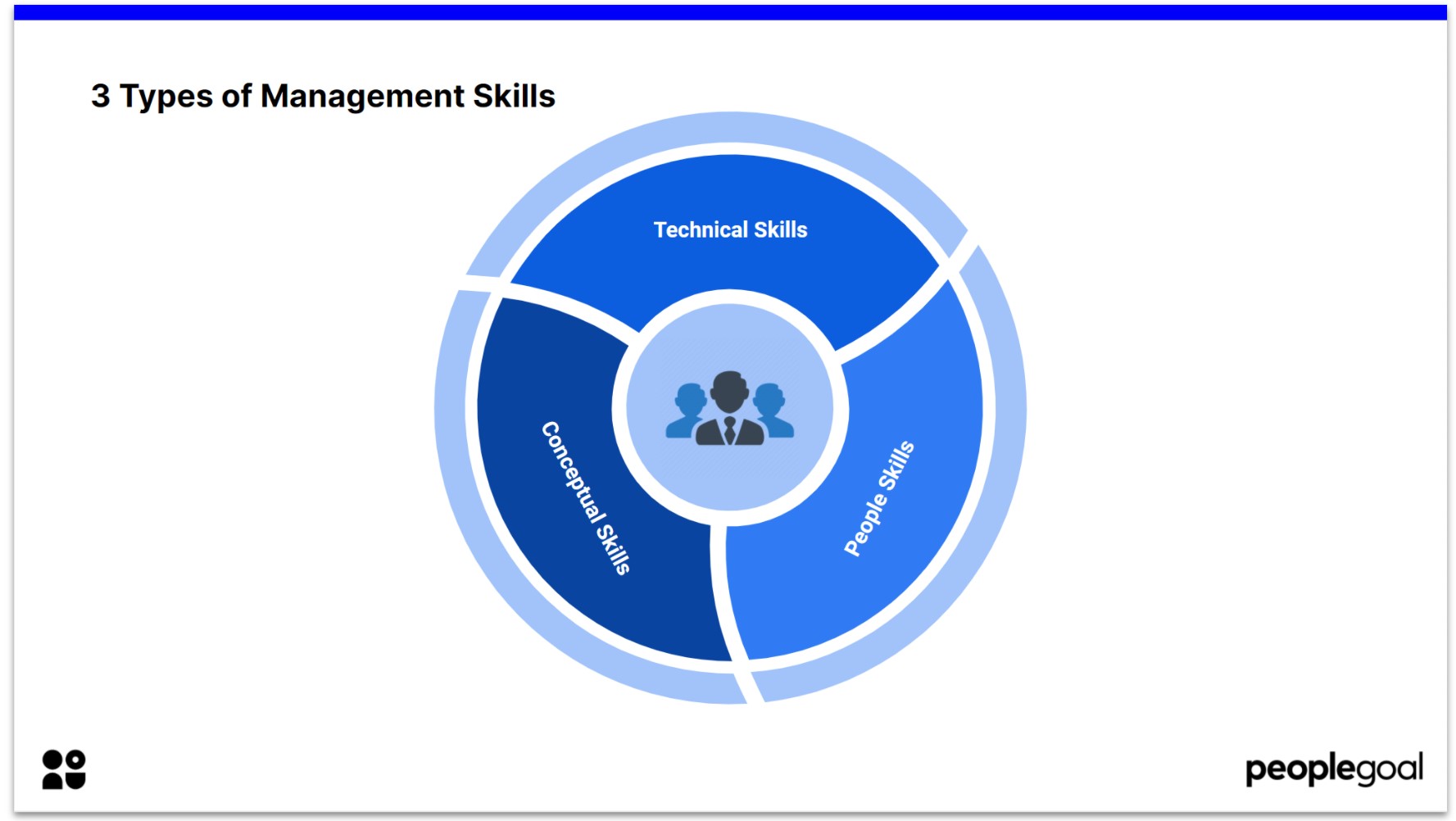
Effective leadership is one of the most important factors behind a successful business team. Managers are responsible for guiding employees, organizing daily activities, solving workplace challenges, and ensuring that everyone works toward shared objectives. However, managing a team requires more than assigning tasks and monitoring performance. It involves building trust, communicating clearly, encouraging collaboration, and helping employees develop their abilities.
In modern workplaces, businesses need managers who can adapt to changing situations and understand the needs of their employees. Strong leadership creates a positive working environment where team members feel supported, motivated, and confident about their responsibilities.
Developing essential leadership skills for managers can improve team performance, strengthen workplace relationships, and support long-term organizational growth. Whether someone is leading a small team or managing an entire department, effective leadership can make a meaningful difference.
1. Effective Communication Skills
Communication is one of the most important leadership skills for managers. A manager must explain expectations, share information, provide feedback, and ensure that employees understand their responsibilities.
Poor communication can lead to confusion, missed deadlines, workplace disagreements, and unnecessary mistakes. Clear communication helps teams stay organized and work toward common goals.
Managers can improve communication by:
- Explaining tasks and expectations clearly.
- Listening carefully to employee concerns.
- Providing regular updates about projects.
- Encouraging employees to ask questions.
- Giving constructive feedback.
- Choosing appropriate communication channels.
For example, when starting a new project, a manager should explain its objectives, deadlines, responsibilities, and expected outcomes. This helps employees understand what needs to be completed and how their contributions support the overall project.
Good communication also creates an environment where employees feel comfortable sharing ideas and discussing challenges.
2. Decision-Making and Problem-Solving Abilities
Managers regularly face situations that require careful decisions. These may involve project delays, limited resources, employee concerns, customer complaints, or unexpected business challenges.
Strong decision-making skills help leaders evaluate available information and choose practical solutions.
An effective manager should understand the problem before taking action. Making decisions without considering possible consequences can create additional difficulties for the team.
Useful decision-making practices include:
- Identifying the main problem.
- Collecting relevant information.
- Considering different possible solutions.
- Evaluating risks and potential outcomes.
- Consulting team members when appropriate.
- Reviewing the results after implementing a decision.
Problem-solving also requires flexibility. Sometimes an original plan may not produce the expected results, and managers must be willing to adjust their approach.
A thoughtful decision-making process helps teams overcome challenges while maintaining productivity.
3. Emotional Intelligence and Self-Awareness
Emotional intelligence is the ability to understand and manage personal emotions while recognizing the feelings and perspectives of others.
Managers with strong emotional intelligence can handle workplace pressure, communicate respectfully, and respond appropriately to difficult situations.
Self-awareness helps leaders recognize their strengths, weaknesses, reactions, and communication styles. This understanding can improve their relationships with employees.
Important emotional intelligence practices include:
- Staying calm during stressful situations.
- Understanding different employee perspectives.
- Showing empathy toward workplace concerns.
- Managing personal reactions.
- Accepting constructive criticism.
- Responding respectfully during disagreements.
For example, if an employee makes a mistake, an emotionally intelligent manager focuses on understanding what happened and identifying ways to improve performance instead of reacting with unnecessary frustration.
This approach encourages learning, accountability, and mutual respect.
4. Delegation and Time Management
Effective managers understand that they cannot complete every task independently. Delegation allows leaders to distribute responsibilities according to employees’ skills, experience, and availability.
Proper delegation improves workflow and gives employees opportunities to develop their abilities.
However, assigning tasks without providing clear instructions can create confusion. Managers should explain responsibilities, expected results, available resources, and deadlines.
Good delegation practices include:
- Identifying tasks that can be assigned to others.
- Matching responsibilities with employee strengths.
- Providing clear instructions.
- Setting realistic deadlines.
- Offering support when required.
- Reviewing progress without unnecessary micromanagement.
Time management is equally important. Managers should prioritize important activities, organize schedules, and reduce unnecessary meetings.
By managing time and responsibilities effectively, leaders can improve team productivity and maintain a balanced workload.
5. Motivating and Inspiring Team Members
A successful manager understands that employees perform better when they feel valued, supported, and motivated. Motivation encourages individuals to take responsibility, contribute ideas, and remain committed to organizational goals.
Different employees may respond to different types of motivation. Some appreciate recognition, while others value career development, financial rewards, or opportunities to take on new responsibilities.
Managers can motivate their teams by:
- Recognizing employee achievements.
- Setting achievable performance targets.
- Providing opportunities for professional development.
- Encouraging creative thinking.
- Celebrating team accomplishments.
- Creating a supportive workplace environment.
For example, recognizing an employee’s contribution after completing a challenging project can increase confidence and encourage continued improvement.
Motivated employees are more likely to contribute positively to team performance and organizational success.
6. Conflict Resolution and Workplace Management
Disagreements are a normal part of working with different personalities, experiences, and opinions. However, unresolved conflicts can damage workplace relationships and reduce productivity.
Managers need conflict resolution skills to handle disagreements professionally and find solutions that support the entire team.
Effective conflict management involves listening to everyone involved, understanding the underlying issue, and encouraging respectful discussions.
Some useful strategies include:
- Addressing conflicts before they become serious.
- Listening to different viewpoints.
- Avoiding favoritism.
- Focusing on facts rather than personal opinions.
- Encouraging respectful communication.
- Finding fair and practical solutions.
Managers should also establish clear workplace expectations so employees understand acceptable professional behavior.
A healthy approach to conflict resolution can strengthen relationships and create a more cooperative working environment.
7. Adaptability and Flexibility
Business environments constantly change due to new technologies, customer expectations, market conditions, and organizational priorities. Managers must be able to adjust their leadership approaches when circumstances change.
Adaptable leaders do not depend entirely on traditional methods. They remain open to new ideas and encourage employees to develop better ways of completing their work.
Managers can demonstrate adaptability by:
- Learning about new industry developments.
- Accepting constructive suggestions.
- Adjusting project plans when necessary.
- Supporting employees during organizational changes.
- Exploring improved workplace technologies.
- Remaining positive during uncertain situations.
For example, when a company introduces new project management software, an adaptable manager helps employees understand the new system and provides appropriate training.
Flexibility allows teams to respond to challenges without losing focus on their main objectives.
8. Accountability and Responsibility
Strong leaders take responsibility for their decisions and encourage employees to remain accountable for their work.
Accountability means understanding assigned responsibilities, meeting expectations, and accepting the results of professional decisions.
Managers should lead by example because employees often observe how leaders handle mistakes, deadlines, and difficult situations.
Important accountability practices include:
- Establishing clear responsibilities.
- Setting measurable performance expectations.
- Following up on assigned tasks.
- Admitting mistakes when necessary.
- Providing honest performance feedback.
- Recognizing employees who consistently meet commitments.
When managers demonstrate accountability, they create a workplace culture based on trust, reliability, and professional responsibility.
9. Strategic Thinking and Goal Setting
Managers must understand how daily team activities contribute to broader business objectives. Strategic thinking helps leaders look beyond immediate tasks and make decisions that support long-term success.
A manager with strategic thinking skills can identify opportunities, evaluate potential risks, and organize resources more effectively.
Goal setting is an important part of this process.
Effective managers should:
- Establish clear team objectives.
- Break large goals into manageable tasks.
- Assign responsibilities appropriately.
- Set realistic deadlines.
- Monitor progress regularly.
- Adjust strategies when performance changes.
For example, a sales manager may establish quarterly revenue targets and develop a strategy based on customer demand, team capacity, and market opportunities.
Clear goals help employees understand priorities and measure their progress.
10. Coaching and Employee Development
Great managers do more than supervise employees. They also help individuals improve their knowledge, develop professional skills, and prepare for future responsibilities.
Coaching involves providing guidance, constructive feedback, and practical support to help employees perform better.
Managers can support employee development through:
- Regular performance discussions.
- Mentoring and coaching sessions.
- Professional training opportunities.
- Constructive feedback.
- Opportunities to handle new responsibilities.
- Individual development plans.
For example, a manager may help a junior employee improve presentation skills by providing guidance and opportunities to lead smaller meetings.
Investing in employee development can improve workplace confidence, strengthen team capabilities, and support employee retention.
11. Building Trust and Encouraging Collaboration
Trust is essential for creating a successful team. Employees are more likely to share ideas, communicate concerns, and work together when they believe their manager is fair and reliable.
Managers can build trust through consistent actions, honest communication, and respect for employee contributions.
Collaboration is equally important because many workplace projects require individuals with different skills to work toward a shared result.
To encourage teamwork, managers should:
- Treat employees fairly and consistently.
- Encourage knowledge sharing.
- Recognize individual and group contributions.
- Create opportunities for team discussions.
- Support cooperation between departments.
- Give employees opportunities to contribute ideas.
A collaborative environment helps teams solve problems more effectively and achieve common business objectives.
Common Leadership Mistakes Managers Should Avoid
Even experienced managers can make mistakes that negatively affect team performance. Recognizing these problems can help leaders develop better management habits.
Common leadership mistakes include:
- Micromanaging every employee task.
- Ignoring employee feedback.
- Communicating unclear expectations.
- Showing favoritism toward certain team members.
- Avoiding difficult conversations.
- Failing to recognize employee achievements.
- Making decisions without sufficient information.
- Ignoring employee development.
- Setting unrealistic deadlines.
- Refusing to accept responsibility for mistakes.
Avoiding these behaviors helps managers build healthier workplace relationships and create an environment where employees can perform effectively.
How Managers Can Continuously Improve Their Leadership Skills
Leadership development is an ongoing process. Even successful managers need to evaluate their performance, learn new approaches, and adapt to changing workplace requirements.
Here are some practical ways to strengthen leadership abilities:
- Request regular feedback: Ask employees and colleagues how your management approach can improve.
- Invest in professional learning: Attend leadership workshops, training programs, and management courses.
- Read leadership resources: Learn from experienced business leaders and management professionals.
- Practice active listening: Give employees your full attention during conversations.
- Evaluate team performance: Identify strengths and areas that require improvement.
- Develop self-awareness: Reflect on your decisions, communication style, and workplace behavior.
- Learn from challenges: Use difficult situations as opportunities to develop better leadership strategies.
Consistent improvement helps managers become more confident and effective in their roles.
Conclusion
Strong leadership is essential for managing a successful team and achieving long-term business objectives. Managers need a combination of communication, decision-making, emotional intelligence, problem-solving, delegation, and strategic thinking skills to guide employees effectively.
However, successful leadership is not limited to supervising daily activities. It also involves building trust, motivating employees, resolving conflicts, and creating opportunities for professional growth.
