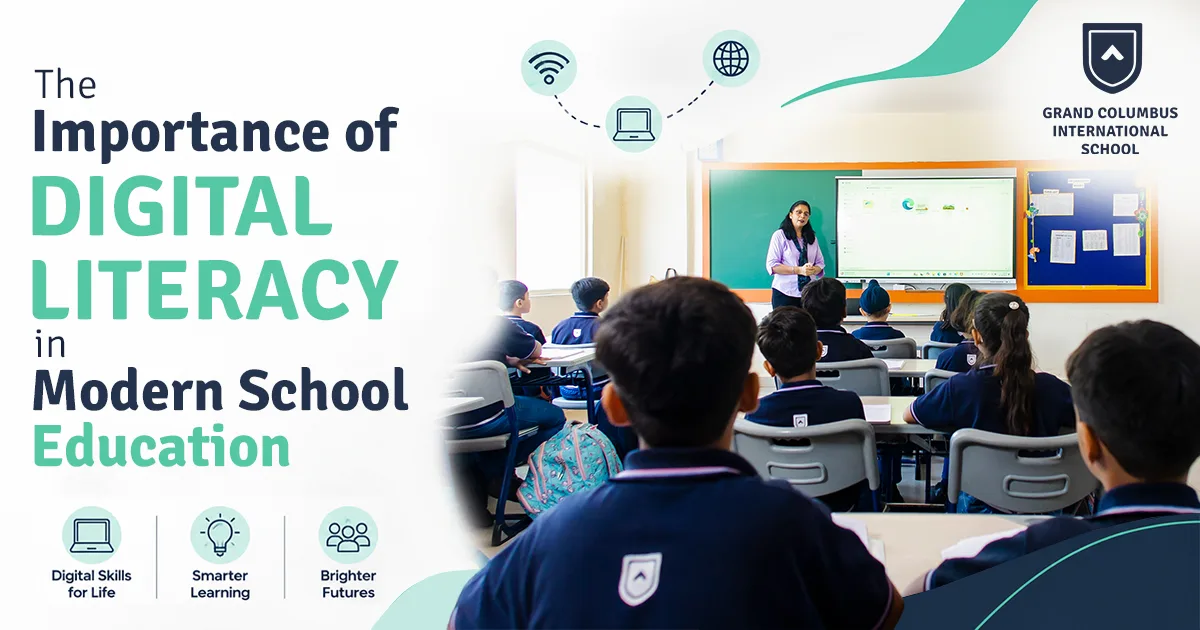
Technology has become an important part of everyday life, transforming how people communicate, work, access information, and gain knowledge. Education is also experiencing significant changes as schools, colleges, and universities increasingly use digital tools to improve teaching and learning experiences. From online classrooms and educational applications to digital libraries and interactive learning platforms, technology provides students with new opportunities to develop knowledge and practical skills.
However, using technology effectively requires more than knowing how to operate a computer or smartphone. Students must also understand how to find reliable information, evaluate online content, communicate responsibly, protect personal information, and use digital resources appropriately. These abilities are commonly known as digital literacy.
Digital literacy in education helps students become confident technology users, responsible online participants, and independent learners. It also prepares them for academic challenges and future professional opportunities in an increasingly technology-driven world.
Understanding the role of digital literacy in modern education can help teachers, students, parents, and educational institutions create better learning environments and prepare young people for the demands of the digital age.
1. Improves Access to Educational Resources
One of the biggest advantages of digital literacy is that it helps students access a wider range of educational resources.
Traditional learning often depends on printed textbooks, classroom instruction, and physical libraries. Although these resources remain valuable, digital technology provides additional ways to explore subjects and develop knowledge.
Students with digital literacy skills can use:
- Online educational libraries.
- Digital textbooks and research materials.
- Educational websites and learning platforms.
- Academic journals and publications.
- Recorded lectures and video tutorials.
- Interactive educational applications.
For example, a university student researching environmental science can access digital publications, online research databases, and educational videos to understand complex topics.
These resources allow students to explore information beyond classroom lessons and develop a deeper understanding of their subjects.
2. Develops Critical Thinking and Information Evaluation Skills
The internet contains an enormous amount of information, but not everything published online is accurate or trustworthy.
Students must learn how to distinguish reliable information from misleading content, outdated material, and unsupported claims.
Digital literacy encourages students to examine information carefully before accepting or sharing it.
Important information evaluation skills include:
- Checking the author’s qualifications.
- Identifying the original source of information.
- Comparing claims across reliable publications.
- Reviewing publication dates.
- Recognizing biased or misleading content.
- Understanding the difference between facts and opinions.
For example, when researching a scientific topic, students should compare information from recognized educational institutions and credible research publications instead of depending on random social media posts.
Developing these abilities strengthens critical thinking and helps students make informed decisions.
3. Supports Interactive and Engaging Learning
Digital technology has introduced new ways to make education more interactive.
Instead of depending entirely on traditional lectures, teachers can use educational videos, simulations, virtual experiments, quizzes, and interactive presentations to explain difficult concepts.
These tools can help students understand information through different learning experiences.
Examples of interactive digital learning include:
- Virtual science experiments.
- Online mathematics exercises.
- Interactive history timelines.
- Educational games and quizzes.
- Digital classroom presentations.
- Virtual learning environments.
For example, students studying the solar system can use digital simulations to explore planetary movements and understand astronomical concepts.
Interactive learning tools can make lessons more engaging while encouraging students to participate actively in their education.
4. Prepares Students for Future Career Opportunities
Digital skills are increasingly important across different industries. Many professional roles require employees to use computers, online communication platforms, digital documents, and specialized software.
Students who develop digital literacy during their education can become better prepared for future workplace requirements.
Important digital skills include:
- Using productivity software.
- Creating and editing digital documents.
- Managing online information.
- Communicating through digital platforms.
- Understanding basic data management.
- Practicing online safety.
- Learning new digital technologies.
For example, students interested in business careers may need spreadsheet skills, online collaboration tools, and digital presentation abilities.
Similarly, future healthcare professionals, engineers, researchers, and educators may need specialized digital tools to complete their work.
Developing digital literacy early helps students build transferable skills that support further education and professional development.
5. Encourages Independent and Self-Directed Learning
Digital literacy allows students to take greater responsibility for their own education.
With access to online courses, educational websites, digital libraries, and learning applications, students can explore topics at their own pace.
They can revisit difficult lessons, practice new skills, and find additional explanations whenever necessary.
Students can strengthen independent learning through:
- Enrolling in online educational courses.
- Watching subject-specific video tutorials.
- Using digital flashcards.
- Practicing with online assessments.
- Reading electronic books.
- Maintaining digital study notes.
- Exploring additional educational resources.
For example, a student who struggles with mathematics can use online lessons and practice exercises to improve understanding outside regular classroom hours.
Digital literacy makes these opportunities more accessible and encourages students to become active participants in their learning process.
6. Improves Communication and Collaboration
Modern education increasingly involves teamwork, online discussions, and collaborative assignments.
Digital communication tools allow students and teachers to exchange information, share documents, and work together even when they are not physically present in the same classroom.
Common digital collaboration activities include:
- Participating in online classroom discussions.
- Working on shared documents.
- Attending virtual meetings.
- Sharing research materials.
- Creating group presentations.
- Communicating through educational platforms.
For example, students working on a group research project can use collaborative document tools to organize information and contribute ideas from different locations.
Digital communication also teaches students how to communicate professionally, respect different perspectives, and work effectively with others.
7. Promotes Online Safety and Responsible Digital Citizenship
As students spend more time online, understanding digital safety becomes increasingly important.
Digital literacy helps students recognize online risks and make responsible decisions when using websites, applications, and social media platforms.
Students should understand how to protect their personal information and behave appropriately in digital environments.
Important online safety practices include:
- Using strong and unique passwords.
- Avoiding suspicious links and downloads.
- Protecting personal information.
- Recognizing online scams and phishing attempts.
- Respecting other people’s privacy.
- Reporting cyberbullying and inappropriate content.
- Understanding responsible social media use.
Digital citizenship also involves respecting copyright, giving proper credit to original creators, and communicating respectfully online.
Teaching these practices helps students develop safer and more responsible digital habits.
8. Helps Teachers Improve Teaching Methods
Digital literacy is not only important for students. Teachers also need digital skills to create effective lessons and manage modern educational environments.
Teachers who understand educational technology can select suitable digital resources, organize online activities, and provide more flexible learning opportunities.
Some useful applications of digital literacy in teaching include:
- Preparing interactive presentations.
- Using online assessment platforms.
- Creating digital learning materials.
- Managing virtual classrooms.
- Sharing educational resources.
- Tracking student progress.
- Providing digital feedback.
For example, a teacher can use an online quiz to evaluate students’ understanding immediately after completing a lesson.
This approach helps identify learning difficulties and allows teachers to adjust their instruction when necessary.
9. Supports Personalized Learning Experiences
Every student has different learning needs, interests, and academic abilities. Traditional teaching methods may not always provide enough flexibility to address these differences.
Digital learning platforms can support more personalized educational experiences by allowing students to study at different speeds and access materials suited to their needs.
Personalized digital learning may include:
- Adaptive learning applications.
- Individual practice exercises.
- Customized learning recommendations.
- Online progress tracking.
- Additional resources for difficult subjects.
- Flexible learning schedules.
For example, an educational platform may provide additional mathematics exercises when a student struggles with a particular topic.
This allows students to spend more time improving specific skills while progressing through subjects at a suitable pace.
However, digital learning tools should support effective teaching rather than completely replace meaningful interaction with teachers.
10. Introduces Students to Artificial Intelligence and Emerging Technologies
Artificial intelligence, automation, and other emerging technologies are changing education and professional environments.
Students increasingly encounter AI-powered educational applications, digital assistants, automated translation tools, and intelligent learning platforms.
Digital literacy helps students understand how these technologies work and how to use them responsibly.
Students should learn to:
- Understand the basic capabilities of artificial intelligence.
- Evaluate AI-generated information.
- Recognize possible errors and inaccurate outputs.
- Protect personal information when using digital tools.
- Follow academic integrity guidelines.
- Use technology to support learning rather than replace independent thinking.
For example, students may use AI tools to explore unfamiliar concepts or generate practice questions. However, they should verify information and complete academic work honestly.
Understanding emerging technologies prepares students to adapt to changing educational and professional environments.
11. Reduces the Digital Divide in Education
Not every student has equal access to computers, reliable internet connections, or digital learning opportunities.
This difference is commonly known as the digital divide. It can create educational disadvantages for students who lack appropriate devices, internet access, or digital skills.
Educational institutions can help reduce this gap by:
- Providing access to computers and tablets.
- Improving internet availability.
- Offering digital literacy training.
- Creating accessible learning materials.
- Supporting students from underserved communities.
- Providing offline learning alternatives where necessary.
Schools should also consider students with disabilities and ensure that digital resources are accessible to different learning needs.
Reducing the digital divide helps create more inclusive educational opportunities and allows more students to benefit from modern technology.
12. Encourages Lifelong Learning and Personal Development
Digital literacy supports lifelong learning by helping individuals continue developing knowledge and skills beyond formal education.
The modern world changes quickly, and professional requirements often evolve as new technologies and industries emerge.
People who understand how to use digital learning resources can continue exploring subjects, improving their abilities, and adapting to new opportunities.
Students can develop lifelong learning habits by:
- Taking online professional courses.
- Reading digital educational publications.
- Exploring new technologies.
- Learning additional languages.
- Participating in virtual workshops.
- Developing creative and technical skills.
These habits help individuals remain curious, adaptable, and prepared for future challenges.
Challenges of Digital Literacy in Modern Education
Although digital technology offers many educational benefits, its effective use also creates certain challenges.
Understanding these challenges helps schools and teachers develop more balanced digital learning environments.
1. Limited Technology Access: Some students do not have reliable internet connections or suitable devices.
2. Digital Distractions: Social media, games, and entertainment platforms can interrupt concentration.
3. Online Misinformation: Students may encounter inaccurate information and misleading educational content.
4. Privacy and Security Risks: Weak passwords and careless online behavior can expose personal information.
5. Lack of Teacher Training: Some educators may need additional training to use digital learning tools effectively.
6. Excessive Screen Time: Spending too much time using digital devices can affect students’ comfort, concentration, and daily routines.
Educational institutions should address these issues through proper training, responsible technology policies, accessible resources, and balanced learning activities.
Conclusion
Digital literacy has become an essential part of modern education. It helps students access educational resources, evaluate information, communicate effectively, develop critical thinking, and prepare for future career opportunities.
It also supports teachers by introducing flexible teaching methods, interactive learning tools, and improved ways to assess student progress.
However, successful digital education requires more than providing students with computers and internet access. Schools must also teach responsible technology use, online safety, information evaluation, and digital citizenship.
