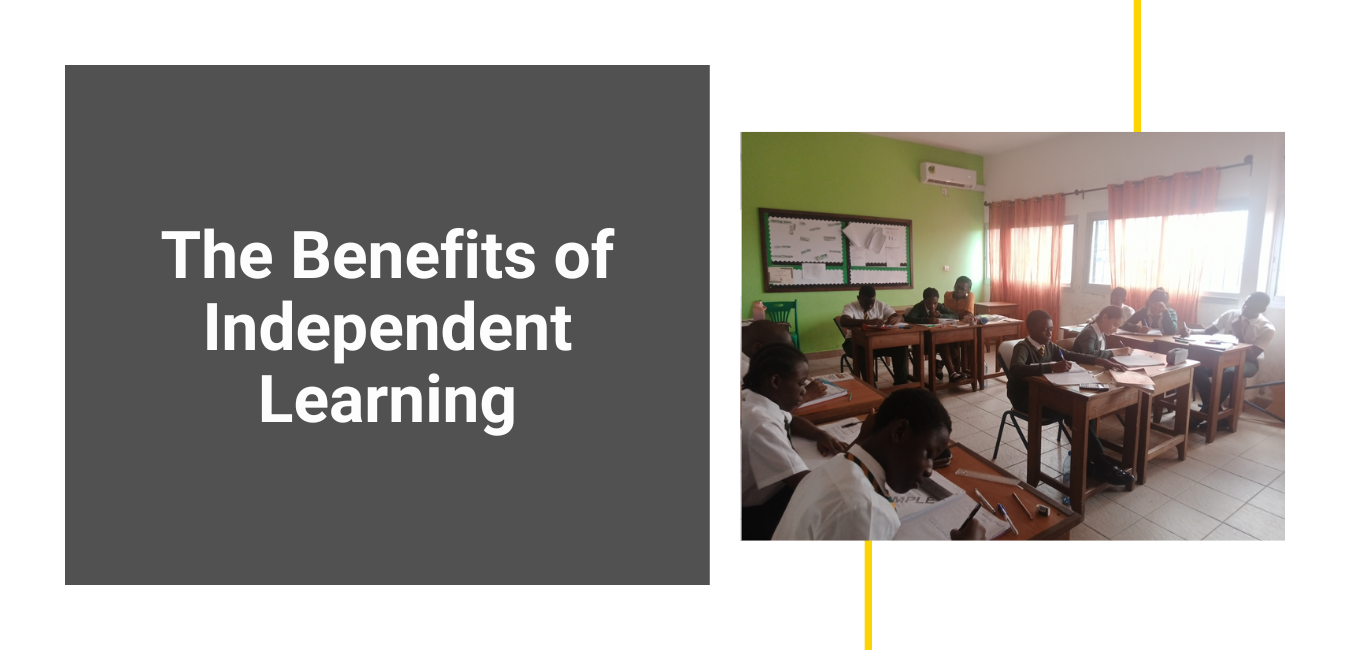
Education is not limited to attending classes, listening to teachers, or completing assigned homework. Successful students also learn how to take responsibility for their own education, explore new topics, and develop knowledge independently. Independent learning allows students to become more confident, organized, and motivated while improving their ability to solve problems and achieve academic goals.
In modern education, students have access to numerous learning resources, including digital libraries, educational websites, online courses, videos, and interactive learning platforms. These resources make it easier to explore subjects beyond traditional classroom lessons. However, using them effectively requires discipline, time management, critical thinking, and a willingness to learn independently.
Developing independent learning skills helps students understand their strengths, identify areas for improvement, and become more responsible for their academic progress. Whether studying at school, college, or university, students can benefit from building habits that support continuous learning and personal development.
1. Set Clear Learning Goals
Setting clear learning goals is one of the first steps toward becoming an independent learner. Without specific objectives, students may struggle to organize their studies or determine which topics require the most attention.
Learning goals provide direction and help students measure their progress over time.
Students should begin by identifying what they want to achieve. These goals may include improving mathematics skills, understanding scientific concepts, developing writing abilities, or preparing for upcoming examinations.
Some effective goal-setting practices include:
- Identify specific subjects that need improvement.
- Divide large learning objectives into smaller tasks.
- Establish realistic study deadlines.
- Set daily and weekly learning targets.
- Review progress regularly.
- Adjust goals when necessary.
For example, a student who wants to improve English writing can set a goal of learning five new vocabulary words daily and writing one short paragraph each evening.
Small and achievable goals make independent learning more manageable and help students remain motivated.
2. Create a Consistent Study Schedule
Time management is an essential part of independent learning. Students often balance academic responsibilities with personal activities, family commitments, and extracurricular interests.
A consistent study schedule helps organize these responsibilities and prevents last-minute preparation.
Students should create a timetable that reflects their academic priorities and personal routines.
An effective study schedule should include:
- Dedicated study periods for each subject.
- Short breaks between learning sessions.
- Time for homework and assignments.
- Regular revision sessions.
- Opportunities for independent research.
- Sufficient time for rest and personal activities.
It is also important to identify the time of day when concentration is strongest. Some students learn more effectively in the morning, while others prefer studying in the evening.
Following a realistic schedule develops discipline and makes learning a regular habit rather than an occasional activity.
3. Develop Effective Research Skills
Independent learners need to know how to find accurate and useful information without depending entirely on teachers or classroom materials.
Research skills allow students to explore unfamiliar subjects, compare different explanations, and develop a deeper understanding of academic topics.
Students can strengthen their research abilities by:
- Using educational websites and digital libraries.
- Reading books and academic resources.
- Identifying reliable information sources.
- Comparing information from different sources.
- Taking organized research notes.
- Checking publication dates and author credibility.
For example, a student researching climate change can explore scientific publications, educational resources, and environmental reports to understand different aspects of the topic.
Students should avoid accepting every online statement as accurate. Learning how to evaluate information helps develop critical thinking and prevents misunderstandings.
4. Practice Active Reading and Note-Taking
Reading is an important part of education, but simply moving through pages does not always lead to meaningful understanding.
Active reading encourages students to interact with information, identify important ideas, and think about what they are learning.
Students can improve reading comprehension through several techniques:
- Read with a specific learning objective.
- Highlight important concepts carefully.
- Write short summaries after each section.
- Identify unfamiliar words and definitions.
- Ask questions about the material.
- Connect new information with previous knowledge.
Note-taking is equally important. Instead of copying entire paragraphs, students should record key ideas in their own words.
Useful note-taking methods include mind maps, outlines, comparison tables, and short concept summaries.
These techniques make revision easier and help students remember information more effectively.
5. Improve Critical Thinking and Problem-Solving Skills
Independent learning requires students to think beyond memorizing facts. They should understand why information is important, how different concepts are connected, and how knowledge can be applied to real situations.
Critical thinking helps students evaluate information, recognize assumptions, and develop logical conclusions.
Students can improve these abilities by:
- Asking questions about unfamiliar concepts.
- Comparing different explanations.
- Examining evidence before accepting conclusions.
- Solving practical problems.
- Participating in discussions and debates.
- Reflecting on different possible solutions.
For example, when studying a historical event, students can examine its causes, consequences, and different perspectives rather than simply memorizing dates.
Developing critical thinking encourages intellectual curiosity and prepares students to make informed decisions in academic and professional environments.
6. Use Digital Learning Resources Effectively
Technology has created new opportunities for students to develop independent learning skills. Educational websites, online courses, video tutorials, digital libraries, and learning applications provide access to information beyond traditional classrooms.
These resources allow students to study at their own pace and revisit difficult topics whenever necessary.
Some useful digital learning options include:
- Online educational courses.
- Digital textbooks and libraries.
- Educational video platforms.
- Interactive quizzes and practice exercises.
- Language-learning applications.
- Subject-specific learning websites.
However, students should choose resources carefully. Not every online platform provides accurate information or high-quality educational content.
It is also important to avoid distractions from social media, unnecessary notifications, and unrelated browsing.
Using technology with a clear learning objective can make independent study more flexible and productive.
7. Develop Self-Discipline and Motivation
One of the biggest challenges of independent learning is maintaining motivation without constant supervision.
In a traditional classroom, teachers provide schedules, instructions, and regular reminders. Independent learners must gradually develop the discipline to manage their own responsibilities.
Students can build self-discipline through simple daily habits:
- Start studying at a planned time.
- Complete important tasks before entertainment.
- Avoid unnecessary distractions.
- Set achievable daily targets.
- Track completed activities.
- Reward consistent effort.
- Maintain a positive attitude toward challenges.
Motivation may change from day to day, but consistent habits help students continue learning even when they feel less enthusiastic.
Students should also remember that academic improvement takes time. Concentrating on gradual progress is often more effective than expecting immediate results.
8. Learn From Mistakes and Accept Feedback
Mistakes are a natural part of the learning process. Students who view mistakes as opportunities for improvement are more likely to develop confidence and stronger academic abilities.
Instead of feeling discouraged by incorrect answers or disappointing results, independent learners should examine what went wrong.
Useful approaches include:
- Reviewing incorrect answers.
- Identifying misunderstood concepts.
- Asking teachers for clarification.
- Practicing difficult topics again.
- Comparing previous and improved work.
- Applying feedback to future assignments.
For example, if a student receives feedback about weak essay structure, they can review the comments, study effective writing techniques, and practice organizing future essays more clearly.
Constructive feedback helps students understand their weaknesses and develop strategies for improvement.
9. Practice Self-Assessment and Monitor Progress
Self-assessment allows students to evaluate their understanding and recognize whether their learning strategies are effective.
Without regular evaluation, students may spend time studying topics they already understand while overlooking important areas that require additional attention.
Students can assess their progress through:
- Practice tests and quizzes.
- Weekly learning reviews.
- Flashcards and recall exercises.
- Reviewing completed assignments.
- Explaining concepts without notes.
- Keeping a personal learning journal.
For example, after completing a science chapter, a student can answer practice questions without looking at the textbook. This helps identify which concepts are understood and which need further revision.
Monitoring progress also builds confidence because students can recognize improvements in their knowledge and abilities.
10. Develop Communication and Collaboration Skills
Independent learning does not mean avoiding teachers, classmates, or other learning communities. Asking questions and exchanging ideas can improve understanding and introduce students to different perspectives.
Communication and collaboration are valuable because students sometimes understand difficult topics more easily through discussion.
Students can strengthen these skills by:
- Participating in study groups.
- Asking teachers meaningful questions.
- Explaining concepts to classmates.
- Joining academic discussions.
- Sharing useful learning resources.
- Working on collaborative projects.
Teaching a concept to another person is particularly useful because it encourages students to organize their knowledge and identify gaps in understanding.
Combining independent study with appropriate collaboration creates a balanced learning experience.
11. Build a Positive and Organized Learning Environment
The environment in which students study can influence their concentration and productivity.
A disorganized or noisy space may make it difficult to focus, while a comfortable and organized environment can support consistent learning habits.
Students should consider creating a dedicated study area with:
- A comfortable chair and suitable desk.
- Proper lighting.
- Essential books and stationery.
- A reliable internet connection when needed.
- Limited background noise.
- An organized study schedule.
It is also helpful to keep unnecessary devices and distractions away during focused study sessions.
A suitable learning environment makes it easier to concentrate and complete academic tasks efficiently.
12. Develop a Lifelong Learning Mindset
Independent learning should not stop when students complete their formal education. Developing a lifelong learning mindset encourages individuals to continue gaining knowledge and improving their abilities throughout their lives.
Technology, industries, and professional requirements continue to change. People who remain curious and willing to learn can adapt more effectively to new opportunities and challenges.
Students can develop this mindset by:
- Exploring subjects beyond their school curriculum.
- Reading books and educational articles.
- Learning new languages.
- Developing practical and technical skills.
- Taking online courses.
- Exploring creative interests.
- Staying informed about new developments.
A lifelong learning approach helps students prepare for higher education, professional responsibilities, and personal growth.
Common Challenges Students Face in Independent Learning
Although independent learning provides many benefits, students may experience difficulties when developing new study habits.
Some common challenges include:
Lack of Motivation: Students may struggle to continue studying without regular classroom supervision.
Poor Time Management: Balancing schoolwork, personal responsibilities, and independent study can be difficult.
Information Overload: Having access to too many online resources may make it challenging to identify useful information.
Distractions: Social media, entertainment, and mobile notifications can interrupt concentration.
Difficulty Understanding Complex Topics: Some subjects require additional explanations, practice, or guidance.
Limited Self-Confidence: Students may hesitate to explore unfamiliar topics because they are afraid of making mistakes.
These challenges can be addressed through realistic goals, organized schedules, reliable resources, regular practice, and support from teachers or classmates.
Conclusion
Developing independent learning skills is an important part of academic success and personal development. Students who learn how to manage their time, set clear goals, conduct research, think critically, and evaluate their progress become more responsible for their education.
Independent learning also helps students develop confidence, discipline, problem-solving abilities, and a lifelong interest in gaining knowledge.
The process does not require students to work completely alone. They can benefit from teachers, classmates, educational technology, and other learning resources while taking responsibility for their own progress.
