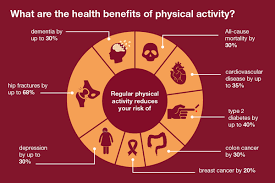
Regular physical activity is one of the most effective ways to support a healthy lifestyle. Moving your body consistently can improve physical fitness, strengthen muscles, support heart health, and contribute to better mental well-being. Despite these benefits, many people spend long hours sitting because of work, education, transportation, and digital entertainment.
The good news is that staying active does not require an expensive gym membership or a complicated exercise routine. Walking, cycling, swimming, dancing, gardening, and playing sports are all examples of activities that can help people become more physically active.
Understanding the benefits of regular physical activity can encourage individuals to make movement a natural part of their everyday routines. Whether you are a student, working professional, parent, or older adult, choosing activities that match your abilities and interests can help you build healthier habits.
This guide explains how physical activity supports overall health, different types of exercise, recommended activity levels, and practical ways to stay active throughout life.
What Is Regular Physical Activity?
Physical activity refers to any movement produced by the body’s muscles that uses energy. It includes planned exercise as well as everyday movements performed at home, school, work, or outdoors.
Regular physical activity means making movement a consistent part of your routine rather than participating only occasionally.
Examples include:
- Walking or jogging
- Cycling
- Swimming
- Dancing
- Playing football, basketball, or other sports
- Gardening and household activities
- Climbing stairs
- Strength training
- Yoga and other movement-based activities
Physical activity does not have to be intense to provide benefits. Moderate activities, such as brisk walking, can support overall health when performed regularly.
The most important starting point is choosing activities that are appropriate for your fitness level and can be maintained over time.
Why Is Physical Activity Important for Overall Health?
The human body is designed to move. Regular movement supports many physical and mental processes and helps people maintain their ability to perform everyday activities.
A physically active lifestyle can contribute to better fitness, improved mobility, stronger muscles, and a lower risk of several long-term health conditions.
It can also help people develop discipline, manage daily stress, and maintain a balanced routine.
12 Major Benefits of Regular Physical Activity
Physical activity provides several benefits that can improve quality of life at different ages. Here are some of the most important ways regular movement supports overall health.
1. Improves Heart Health
The heart is a muscle that works continuously to circulate blood throughout the body. Regular aerobic activities can strengthen cardiovascular fitness and help the heart work more efficiently.
Activities such as brisk walking, cycling, swimming, and jogging increase the body’s demand for oxygen and encourage the cardiovascular system to adapt.
Consistent physical activity can also help support healthy blood pressure and reduce the risk of cardiovascular diseases.
2. Helps Maintain Healthy Body Weight
Physical activity uses energy and plays an important role in weight management.
Combining regular movement with balanced eating habits can help people maintain a healthy body weight over time.
Useful activities include:
- Walking at a comfortable or brisk pace
- Cycling
- Swimming
- Dancing
- Playing recreational sports
- Strength training
Weight management is influenced by several factors, including nutrition, sleep, genetics, health conditions, and daily activity. Exercise should therefore be viewed as one part of a broader healthy lifestyle.
3. Strengthens Muscles and Bones
Muscles and bones support movement, balance, and everyday physical tasks.
Strength-training activities challenge muscles and help improve strength. Weight-bearing activities, such as walking and certain sports, also support bone health.
Examples include:
- Bodyweight squats
- Push-ups
- Resistance-band exercises
- Weight training
- Stair climbing
- Walking and hiking
Developing muscle strength can make everyday activities, such as carrying groceries, climbing stairs, and standing for extended periods, easier.
4. Supports Mental Health and Emotional Well-Being
Physical activity is beneficial for more than the body. It can also support emotional well-being and help people manage everyday stress.
Movement can improve mood, provide a break from daily responsibilities, and create opportunities for social interaction.
Some people enjoy exercising outdoors, while others prefer group classes or individual activities at home.
Regular physical activity is associated with reduced symptoms of anxiety and depression. However, exercise is not a replacement for professional mental health care when someone needs additional support.
5. Improves Sleep Quality
A consistent physical activity routine can support better sleep for many people.
Exercise may help regulate daily energy levels and make it easier to establish a healthy sleep schedule.
Activities such as walking, cycling, and moderate exercise can be included throughout the week.
People who find intense exercise stimulating should avoid scheduling demanding workouts too close to bedtime.
6. Supports Brain Health and Memory
Physical activity supports brain health and may improve certain aspects of cognitive function.
Regular movement is associated with benefits related to memory, attention, learning, and mental performance.
For students and working professionals, activities such as walking during breaks or participating in recreational sports can provide a useful change from long periods of sitting.
7. Helps Reduce the Risk of Type 2 Diabetes
Physical activity helps muscles use glucose for energy and supports the body’s ability to regulate blood sugar.
Regular exercise can improve insulin sensitivity and contribute to reducing the risk of developing type 2 diabetes.
People who already have diabetes may also benefit from suitable physical activity as part of their overall care plan.
Anyone managing a medical condition should discuss an appropriate exercise routine with a qualified healthcare professional.
8. Improves Balance and Coordination
Balance and coordination are important for walking, climbing stairs, playing sports, and performing everyday tasks.
Activities that challenge stability and controlled movement can help develop these abilities.
Examples include:
- Yoga
- Tai chi
- Dancing
- Controlled bodyweight exercises
- Balance training
- Walking on suitable surfaces
Balance-focused activities can be particularly useful for older adults when performed safely and at an appropriate level.
9. Supports Healthy Aging
Maintaining physical activity throughout life can help people preserve strength, mobility, and independence as they age.
Older adults may experience changes in muscle mass, bone strength, flexibility, and balance. Regular movement can help support physical function and make daily activities more manageable.
A balanced routine for older adults may include aerobic movement, strength training, flexibility exercises, and balance activities.
The type and intensity of exercise should match individual health and mobility needs.
10. Supports Immune System Function
Physical activity is associated with several health benefits, including support for normal immune function.
Regular moderate exercise can contribute to overall health by supporting cardiovascular fitness, metabolic health, and general physical well-being.
However, exercise does not guarantee protection against infections. Adequate sleep, balanced nutrition, hygiene, and appropriate medical care remain important.
11. Encourages Social Connections
Physical activity can create opportunities to connect with other people.
Joining a walking group, participating in a sports club, attending a fitness class, or exercising with friends can make movement more enjoyable.
Social activities may also provide encouragement and accountability, helping people maintain consistent exercise habits.
12. Improves Everyday Physical Performance
Regular movement can make ordinary activities easier by improving endurance, strength, flexibility, and coordination.
People who maintain an active lifestyle may find it easier to:
- Walk longer distances
- Climb stairs
- Carry everyday items
- Complete household tasks
- Participate in recreational activities
- Maintain mobility
These improvements can contribute to greater confidence and independence.
Different Types of Physical Activity You Should Know
A balanced exercise routine can include several types of movement. Each category provides different benefits, and combining them can support overall fitness.
Aerobic Exercise
Aerobic exercise increases breathing and heart rate for a sustained period.
It helps improve cardiovascular endurance and supports heart and lung fitness.
Examples include:
- Brisk walking
- Running
- Cycling
- Swimming
- Dancing
- Playing football
- Aerobic fitness classes
Beginners can start with short sessions and gradually increase their activity as their fitness improves.
Strength Training
Strength training uses resistance to challenge muscles and improve physical strength.
Resistance may come from body weight, free weights, resistance bands, or exercise machines.
Examples include:
- Squats
- Push-ups
- Lunges
- Dumbbell exercises
- Resistance-band training
- Weightlifting
Adults are generally advised to include muscle-strengthening activities involving major muscle groups on at least two days each week.
Flexibility Exercises
Flexibility activities help maintain the ability to move joints through their available range of motion.
Examples include:
- Gentle stretching
- Yoga
- Mobility exercises
- Controlled movement routines
Flexibility work can be useful as part of a balanced fitness program, especially when combined with strength and aerobic activities.
Balance Exercises
Balance training focuses on stability and controlled body movement.
Examples include:
- Standing on one leg with suitable support
- Tai chi
- Heel-to-toe walking
- Controlled stepping exercises
Balance training is particularly valuable for older adults and people who want to improve stability during everyday activities.
How Much Physical Activity Do You Need?
The amount of physical activity a person needs depends on age, health, fitness level, and individual circumstances.
For general health, widely used recommendations provide useful starting points.
| Age Group | General Physical Activity Recommendation |
|---|---|
| Children and adolescents aged 5–17 | Average of at least 60 minutes of moderate-to-vigorous activity daily across the week |
| Adults aged 18–64 | At least 150–300 minutes of moderate aerobic activity weekly, or 75–150 minutes of vigorous activity |
| Adults aged 65 and older | Similar adult aerobic recommendations, with additional attention to balance and strength activities |
Adults should also include muscle-strengthening activities involving major muscle groups on at least two days per week.
These are general recommendations, not individual exercise prescriptions. People with disabilities, chronic conditions, pregnancy-related needs, or mobility limitations may require adapted guidance.
What Is Moderate-Intensity Physical Activity?
Moderate-intensity activity increases breathing and heart rate while still allowing a person to talk.
Examples include:
- Brisk walking
- Recreational cycling
- Water aerobics
- Active gardening
- Dancing
What Is Vigorous-Intensity Physical Activity?
Vigorous activity requires more effort and makes breathing faster.
Examples include:
- Running
- Fast cycling
- Swimming laps
- Competitive sports
- High-intensity aerobic workouts
People should choose an intensity appropriate for their current fitness level and gradually build up their activity.
How to Make Physical Activity Part of Your Daily Routine
One of the biggest challenges is finding time to exercise consistently.
The solution is to make movement convenient and realistic rather than treating it as an activity that requires a large amount of free time.
1. Start With Short Walking Sessions
Walking is one of the easiest ways to become more active.
Begin with a comfortable distance and gradually increase the duration or pace.
You can walk:
- Around your neighborhood
- During a lunch break
- In a local park
- With friends or family
- On a treadmill
- While completing suitable daily errands
Even short periods of movement can contribute to your overall activity level.
2. Use Stairs When Practical
Choosing stairs instead of an elevator can add movement to your day.
Start with a manageable number of flights and avoid pushing yourself beyond your current ability.
3. Take Regular Movement Breaks
Sitting for extended periods is common among students and office workers.
Taking short breaks to stand, stretch, or walk can reduce long periods of inactivity.
Consider setting a reminder to move regularly during long study or work sessions.
4. Choose Activities You Enjoy
Exercise is easier to maintain when it feels enjoyable.
If you dislike running, you might prefer cycling, swimming, dancing, walking, or recreational sports.
Experiment with different activities until you find options that fit your interests and schedule.
5. Exercise With Friends or Family
Having an exercise partner can make physical activity more enjoyable.
You can plan walking sessions, play sports together, or participate in group fitness activities.
Shared goals may also encourage consistency.
6. Set Realistic Weekly Goals
Instead of trying to exercise intensely every day, create a manageable schedule.
For example, begin with three short walking sessions per week and gradually add more activity.
Once your routine becomes comfortable, you can increase the duration or include additional exercise types.
Benefits of Physical Activity for Students
Students often spend long hours sitting in classrooms, studying, or using digital devices.
Regular movement can help support their physical fitness and general well-being.
Supports Concentration and Learning
Physical activity can support brain health and cognitive function.
Taking movement breaks between study sessions may also provide a refreshing change from prolonged sitting.
Encourages Better Daily Routines
Students who plan regular activity may become more aware of how they organize their time.
A balanced schedule can include academic responsibilities, exercise, sleep, and recreation.
Builds Confidence and Social Skills
Sports and group activities can help students practice communication, teamwork, and cooperation.
They can also provide opportunities to build friendships and develop confidence through participation.
Supports Healthy Growth and Development
For children and adolescents, appropriate physical activity supports bone health, muscle development, physical fitness, and motor skills.
Schools and families can encourage movement through sports, outdoor play, walking, and recreational activities.
Benefits of Physical Activity for Working Professionals
Office work and digital tasks often involve long periods of sitting.
Adding regular movement to the workday can help professionals support their health and maintain an active lifestyle.
Reduces Long Periods of Sitting
Standing, walking, and stretching during breaks can help interrupt prolonged sedentary behavior.
Simple changes include walking during phone calls, using stairs, and taking short movement breaks.
Supports Stress Management
Physical activity can provide a useful break from work-related pressure.
Walking outdoors, cycling, or participating in a fitness class can create time away from screens and daily responsibilities.
Encourages Better Work-Life Balance
Scheduling exercise can help professionals protect time for personal health.
Even a short activity session before or after work can become part of a consistent daily routine.
How to Stay Motivated to Exercise Regularly
Starting an exercise routine is often easier than maintaining it. Motivation may change because of busy schedules, weather, tiredness, or other responsibilities.
The following strategies can help you remain consistent.
Set Clear and Achievable Goals
Choose specific goals that you can measure.
Examples include:
- Walk for 20 minutes three times a week.
- Attend two fitness sessions each week.
- Practice gentle stretching every morning.
- Try one new physical activity each month.
Start with goals that match your current ability.
Track Your Progress
A simple notebook, calendar, or activity tracker can help you monitor your routine.
Record the activities you complete and notice improvements in consistency, endurance, or strength.
Avoid comparing your progress with other people.
Create a Weekly Exercise Schedule
Plan exercise sessions around your responsibilities.
A schedule can help turn physical activity into a regular habit rather than something you do only when time is available.
Reward Consistency
Recognize your effort when you maintain your routine.
Rewards can include a relaxing activity, new workout clothing, or time spent enjoying a favorite hobby.
The goal is to appreciate progress without making exercise feel like a punishment.
Accept That Some Days Will Be Different
Missing a workout does not mean your routine has failed.
Return to your schedule when possible and adjust your goals if they become unrealistic.
Long-term consistency matters more than perfect performance.
A Simple Weekly Physical Activity Plan for Beginners
Beginners can start with a balanced routine that combines walking, basic strength exercises, and gentle movement.
The following example is a starting point and should be adjusted to individual ability.
| Day | Suggested Activity | Duration |
|---|---|---|
| Monday | Brisk walking | 20 minutes |
| Tuesday | Basic strength exercises | 15–20 minutes |
| Wednesday | Walking or cycling | 20 minutes |
| Thursday | Gentle stretching and mobility | 15 minutes |
| Friday | Brisk walking | 25 minutes |
| Saturday | Recreational sport or swimming | 20–30 minutes |
| Sunday | Rest or gentle walking | As comfortable |
Beginners do not need to complete every activity immediately. Start with shorter sessions, allow recovery time, and increase activity gradually.
Common Mistakes to Avoid When Starting an Exercise Routine
Although physical activity provides many benefits, some mistakes can make exercise uncomfortable or difficult to maintain.
Starting Too Intensely
Trying to do too much too quickly can cause excessive soreness and increase the risk of injury.
Begin with manageable sessions and increase activity gradually.
Ignoring Warm-Ups
A short warm-up can help prepare the body for more demanding movement.
Try a few minutes of easy walking, gentle movement, or activity-specific preparation before exercising.
Forgetting Recovery
Rest and recovery are important parts of a balanced exercise routine.
Allow time for recovery after demanding sessions and avoid repeatedly training the same muscles intensely without adequate rest.
Comparing Yourself With Others
Fitness levels, abilities, health conditions, and personal goals vary.
Focus on your own progress instead of trying to match someone else’s performance.
Ignoring Pain or Warning Signs
Exercise should not involve pushing through severe or unusual pain.
Stop the activity if you experience concerning symptoms such as chest pain, faintness, severe breathlessness, or sudden dizziness, and seek appropriate medical attention.
People with existing health concerns should discuss suitable activity levels with a healthcare professional.
How Physical Activity Supports Healthy Aging
Maintaining movement throughout life can help older adults preserve physical function and independence.
As people age, they may experience changes in muscle strength, balance, flexibility, and mobility.
A suitable activity routine can help address some of these changes.
Maintain Muscle Strength
Strength exercises can help older adults maintain the muscles needed for standing, walking, and carrying everyday items.
Improve Balance
Balance activities can help improve stability and reduce the risk of falls when performed safely.
Support Independent Living
Walking, household movement, and suitable exercise can help older adults maintain the physical abilities required for daily tasks.
Encourage Social Participation
Group walking, community fitness sessions, and recreational activities can provide opportunities for social interaction.
Older adults should select activities that match their mobility and health needs. Professional guidance may be useful when starting a new routine.
Frequently Asked Questions About the Benefits of Regular Physical Activity
What are the main benefits of regular physical activity?
Regular physical activity supports heart health, strengthens muscles and bones, improves fitness, supports mental well-being, helps maintain a healthy body weight, and can improve sleep quality.
How much physical activity should adults do each week?
Adults should generally aim for at least 150 minutes of moderate-intensity aerobic activity or 75 minutes of vigorous activity each week, along with muscle-strengthening activities on at least two days.
Is walking enough to improve overall health?
Walking is a useful form of physical activity and can provide health benefits. Brisk walking can contribute toward weekly aerobic activity recommendations. Adding strength and balance exercises can provide additional benefits.
Can regular exercise improve mental health?
Yes. Regular physical activity can support emotional well-being and is associated with reduced symptoms of anxiety and depression. However, it should not replace professional mental health treatment when needed.
What is the best exercise for beginners?
Walking is a practical starting option for many people. Other choices include cycling, swimming, gentle stretching, and beginner-level strength exercises. The best activity depends on individual ability, health, and personal preferences.
Can physical activity help improve sleep?
Regular physical activity can support better sleep quality for many people. A consistent exercise routine, combined with healthy sleep habits, may help improve nighttime rest.
Is it necessary to go to the gym to stay physically active?
No. People can stay active through walking, cycling, dancing, household activities, gardening, sports, and home-based exercises. A gym is only one possible option.
What happens if someone does not exercise regularly?
Low physical activity levels are associated with a higher risk of several long-term health problems, including cardiovascular disease, type 2 diabetes, and some cancers. However, starting with small amounts of movement can provide benefits.
Can older adults benefit from regular physical activity?
Yes. Suitable physical activity can help older adults maintain strength, balance, mobility, and independence. Activities should be adjusted to their health and physical abilities.
How can I stay consistent with exercise?
Set realistic goals, choose enjoyable activities, create a weekly schedule, track your progress, and gradually increase your activity. Starting small can make a routine easier to maintain.
Conclusion
Regular physical activity is an important part of maintaining overall health. It supports the heart, strengthens muscles and bones, improves physical fitness, contributes to emotional well-being, and helps people maintain independence throughout life.
You do not need an expensive gym membership or an advanced workout plan to become more active. Walking, cycling, swimming, dancing, gardening, and simple home exercises can all contribute to a healthier routine.
The best approach is to choose activities that match your abilities, begin at a comfortable level, and remain consistent. Small amounts of movement can be a meaningful starting point, and gradually building an active lifestyle can support long-term health.
Make physical activity part of your everyday routine and give your body regular opportunities to move, strengthen, and recover.
