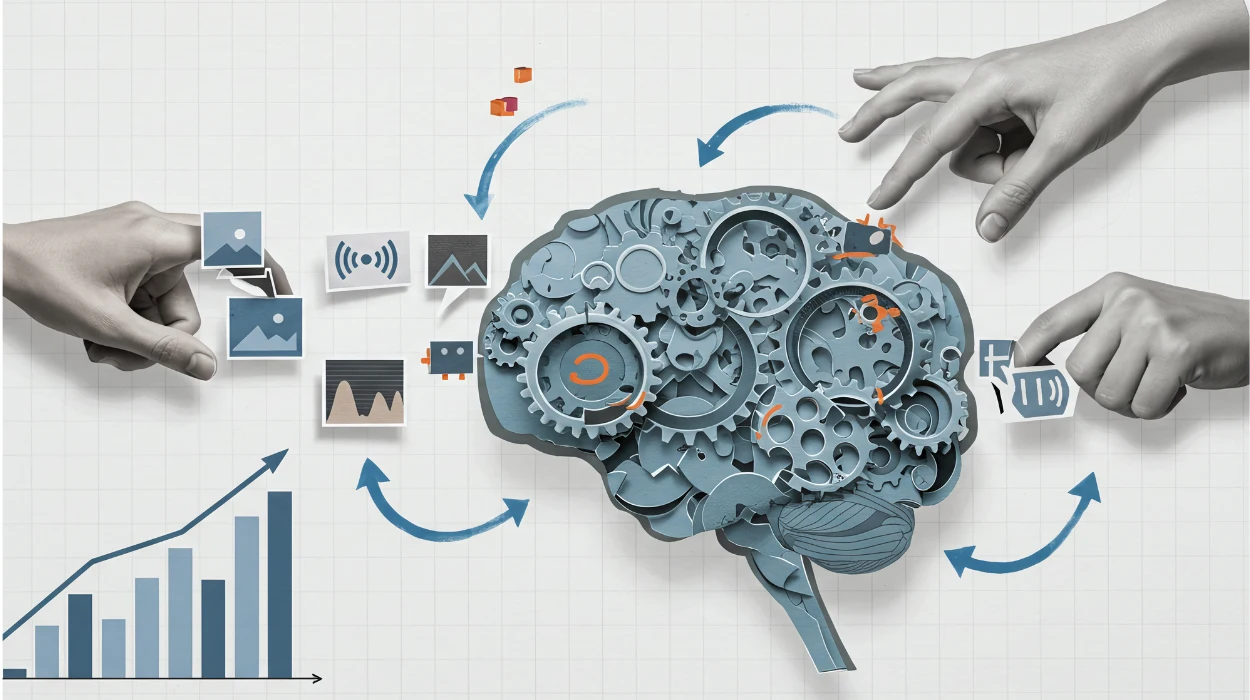
Artificial intelligence is transforming the way people work, communicate, learn, shop, and make decisions. From virtual assistants and recommendation systems to facial recognition and advanced healthcare technologies, AI is becoming part of everyday life. While these innovations offer significant benefits, they also raise important questions about fairness, privacy, accountability, transparency, and human rights.
Understanding AI ethics challenges is essential as businesses, governments, educational institutions, and individuals increasingly depend on intelligent systems. Without responsible development and proper oversight, AI can reinforce existing inequalities, expose personal information, spread misinformation, and make decisions that negatively affect people’s lives.
This article explores the most important ethical challenges associated with artificial intelligence, why they matter, and how society can encourage safer and more responsible AI development.
What Is AI Ethics?
AI ethics refers to the principles, values, and guidelines that help ensure artificial intelligence is developed and used responsibly. It focuses on making AI systems fair, transparent, secure, accountable, and respectful of human rights.
Ethical AI is not simply about creating technology that performs tasks efficiently. It is also about understanding how automated decisions affect people, communities, and society.
For example, an AI recruitment system may help a company review thousands of job applications quickly. However, if its training data contains historical discrimination, the system could unfairly disadvantage certain applicants.
Responsible AI development aims to prevent these outcomes while allowing people and organizations to benefit from technological progress.
1. Data Privacy and Personal Information Protection
One of the biggest AI ethics challenges is protecting personal information. Many AI systems depend on large amounts of data to learn patterns, generate responses, and make predictions.
This data may include personal preferences, browsing behavior, financial information, location history, photographs, and other sensitive details.
If organizations collect or process personal information without appropriate safeguards, individuals may lose control over how their data is used.
Why Data Privacy Matters
AI-powered applications can sometimes collect more information than users realize. Poor data management may lead to unauthorized access, identity theft, surveillance, or misuse of personal details.
For example, an application that analyzes customer behavior could expose private information if its database is compromised.
How to Address Privacy Risks
Organizations can strengthen privacy protection by:
- Collecting only the information necessary for a specific purpose.
- Explaining clearly how personal data will be used.
- Obtaining appropriate consent where required.
- Applying encryption and strong access controls.
- Regularly reviewing data storage and security practices.
- Giving users meaningful ways to manage their information.
Privacy should be considered from the beginning of AI development rather than added after a system has been launched.
2. Bias and Discrimination in AI Systems
AI systems learn from training data. If that data reflects existing social inequalities or incomplete representation, the resulting technology may produce biased outcomes.
This is particularly concerning when AI is used in recruitment, lending, education, healthcare, law enforcement, and other areas that influence people’s opportunities.
For example, an automated hiring tool trained on historical recruitment decisions may favor applicants who resemble previously successful candidates. This could disadvantage qualified people from underrepresented backgrounds.
Common Causes of AI Bias
AI bias can develop because of:
- Incomplete or unbalanced training datasets.
- Historical discrimination within existing records.
- Poor data labeling and collection methods.
- Limited diversity among development teams.
- Inadequate testing across different populations.
- Incorrect assumptions built into system design.
Ways to Reduce AI Bias
Developers should test AI systems using diverse and representative datasets. Independent evaluations can help identify unfair patterns before systems are deployed.
Organizations should also monitor outcomes regularly, provide human review for high-impact decisions, and establish procedures for people to challenge decisions they believe are unfair.
Fairness must remain an ongoing responsibility throughout an AI system’s life cycle.
3. Lack of Transparency and Explainability
Many advanced AI systems operate through complex models that are difficult for ordinary users to understand. This creates a problem when an AI system makes an important decision but cannot provide a clear explanation.
For instance, a person may have a loan application rejected by an automated system without understanding which factors influenced the decision.
This lack of transparency can reduce public trust and make it difficult to identify errors or unfair treatment.
Why Explainable AI Is Important
People should be able to understand when AI is involved in decisions that significantly affect them. They should also receive meaningful information about the factors influencing those decisions.
Explainability is particularly important in:
- Financial services and credit assessments.
- Medical diagnosis and treatment support.
- Recruitment and employee evaluation.
- Educational assessments.
- Government services.
- Legal and public safety applications.
Developers should provide clear documentation, understandable explanations, and appropriate opportunities for human review.
4. Accountability for AI Decisions
Another major ethical concern is determining who is responsible when an AI system causes harm.
AI technology is often developed and used by several parties, including software developers, data providers, technology companies, business owners, and end users. When something goes wrong, responsibility may become unclear.
Consider an automated medical support system that provides an incorrect recommendation. The consequences could affect a patient, healthcare professional, hospital, and technology provider.
Establishing Clear Responsibility
Organizations should define responsibilities before deploying AI systems. They should identify who oversees the technology, who reviews its performance, and who responds when problems occur.
Important accountability practices include:
- Assigning clear ownership of AI systems.
- Keeping records of important automated decisions.
- Conducting regular risk assessments.
- Creating processes for reporting problems.
- Providing human oversight for high-impact decisions.
- Correcting harmful outcomes when necessary.
AI should support responsible human decision-making, not become an excuse for avoiding responsibility.
5. Job Displacement and the Future of Employment
Artificial intelligence and automation are changing workplaces across many industries. AI tools can perform repetitive tasks, analyze information, generate content, and support customer service operations.
Although these capabilities can increase productivity, they may also reduce demand for certain types of work.
Employees in administrative support, data processing, manufacturing, customer service, and other routine roles may experience changes in their responsibilities or employment opportunities.
The Importance of Workforce Preparation
The ethical challenge is not simply whether AI will replace jobs. It is also whether workers will receive fair opportunities to adapt to technological changes.
Businesses, educational institutions, and governments can help by:
- Providing digital skills training.
- Supporting professional development programs.
- Offering opportunities to learn AI-related skills.
- Helping affected workers transition into new roles.
- Encouraging collaboration between employees and AI systems.
- Considering the impact of automation on workplace equality.
The goal should be to use AI to improve human productivity while supporting workers through the transition.
6. Misinformation, Deepfakes, and Digital Manipulation
Generative AI can create realistic images, videos, audio recordings, and written content. These tools have useful applications in education, entertainment, communication, and creative industries.
However, they can also be misused to produce misleading information, impersonate individuals, manipulate public opinion, and damage reputations.
Deepfake technology, for example, can make it appear that someone said or did something that never happened.
Why AI-Generated Misinformation Is Dangerous
False content can spread quickly through social media and online platforms. People may struggle to distinguish genuine information from artificially generated material.
Potential consequences include:
- Damage to personal and professional reputations.
- Financial scams and identity fraud.
- Manipulation of public discussions.
- Misleading political or social content.
- Reduced trust in legitimate photographs, videos, and news reports.
Preventing Digital Manipulation
Technology companies should improve content verification and develop ways to identify AI-generated material. Platforms can also strengthen reporting systems and respond more quickly to harmful content.
Individuals should verify important claims through reliable sources, question suspicious media, and avoid sharing information before checking its authenticity.
Digital literacy is increasingly important in a world where convincing artificial content is easy to produce.
7. Security Risks and Malicious Use of AI
Artificial intelligence can improve cybersecurity by identifying unusual activity, detecting potential threats, and helping organizations respond to attacks.
At the same time, malicious actors can use AI to create more convincing phishing messages, automate certain cyberattacks, and develop sophisticated scams.
This creates a difficult challenge for businesses, governments, and individuals who depend on digital systems.
Common AI Security Concerns
- AI-assisted phishing and impersonation.
- Automated fraud and social engineering.
- Unauthorized access to sensitive information.
- Manipulation of AI models and their training data.
- Exposure of confidential information through insecure applications.
- Attacks that exploit weaknesses in AI-powered systems.
Building Safer AI Systems
Organizations should apply strong cybersecurity practices throughout the development and deployment process.
Regular security testing, access restrictions, software updates, employee training, and incident response plans can reduce risks.
AI systems should also be evaluated for vulnerabilities before they are used in sensitive environments.
8. Intellectual Property and Copyright Concerns
Generative AI tools can produce articles, images, music, designs, and other creative material. However, questions remain about the ownership and use of content involved in training and generating these outputs.
Creators may be concerned that their original work is used without appropriate permission or recognition. Businesses may also face uncertainty about the ownership and originality of AI-generated materials.
Important Copyright Questions
- Was copyrighted material used to train the AI model?
- Does generated content resemble an existing protected work?
- Who owns the rights to AI-assisted creations?
- Should creators receive recognition or compensation?
- How should organizations verify the originality of generated material?
These questions involve legal and ethical considerations that can vary between countries and jurisdictions.
Businesses and content creators should review relevant laws, respect licensing conditions, and establish clear policies for using AI-generated work.
9. Human Control and Overdependence on AI
AI can help people make decisions, but excessive dependence on automated systems can weaken human judgment.
For example, professionals may begin accepting AI recommendations without carefully checking whether they are accurate or appropriate. This can be especially dangerous in healthcare, finance, education, and public administration.
Why Human Oversight Matters
AI systems do not understand human experiences and social consequences in the same way people do. They can produce incorrect information, overlook important context, or make recommendations based on flawed data.
Human oversight helps ensure that:
- Important decisions receive appropriate review.
- Users can question automated recommendations.
- Errors can be identified and corrected.
- Human judgment remains part of sensitive processes.
- AI tools support rather than replace professional expertise.
The most responsible approach is to use AI as an assistant that strengthens human capabilities.
10. Unequal Access to AI Technology
AI offers opportunities to improve education, healthcare, business operations, and access to information. However, these benefits are not equally available to everyone.
People in areas with limited internet access, inadequate digital infrastructure, or fewer educational resources may struggle to benefit from AI innovation.
Small businesses and developing communities may also lack the funding, technical skills, or equipment needed to adopt advanced systems.
Promoting Fair Access
Governments, technology companies, and educational institutions can help reduce this gap by:
- Expanding affordable internet access.
- Supporting digital education and training.
- Developing accessible AI applications.
- Providing resources to underserved communities.
- Encouraging local-language AI development.
- Supporting smaller organizations and businesses.
Ethical AI should benefit society broadly rather than increasing existing economic and technological inequalities.
11. Environmental Impact of Artificial Intelligence
AI systems require computing infrastructure, including powerful processors, data centers, storage systems, and cooling equipment.
Training and operating large AI models can consume significant amounts of electricity and water. The environmental impact depends on the model, hardware, energy sources, data center efficiency, and frequency of use.
As AI adoption grows, environmental sustainability becomes an increasingly important ethical consideration.
Making AI More Sustainable
Technology providers can reduce environmental impact by improving hardware efficiency, using renewable energy, optimizing AI models, and managing data center resources responsibly.
Organizations should also consider whether a particular AI application provides enough value to justify its computational requirements.
Responsible innovation should balance technological progress with environmental protection.
How Businesses Can Use AI Responsibly
Businesses adopting artificial intelligence should establish clear ethical standards before introducing AI-powered products or services.
A responsible AI strategy can protect customers, employees, and the organization while improving long-term trust.
Here are practical steps businesses can follow:
1. Create an AI Usage Policy
Develop clear guidelines explaining which AI tools employees can use, what information they may enter, and which tasks require human approval.
2. Protect Customer Data
Use secure systems and avoid sharing confidential customer, employee, or business information with tools that are not approved for that purpose.
3. Test for Fairness
Evaluate AI outputs to identify bias, inaccurate recommendations, and unequal treatment.
4. Keep Humans Involved
Require appropriate human review when AI influences important decisions involving people’s rights, finances, employment, or well-being.
5. Be Transparent
Tell customers and employees when AI is used in meaningful ways, particularly when it affects decisions or interactions.
6. Monitor Performance
Review AI systems regularly because data, business needs, technology, and potential risks can change over time.
The Role of Governments and AI Regulations
Governments have an important role in creating rules that protect people while allowing responsible innovation.
AI regulations can address privacy, discrimination, transparency, safety, accountability, and the use of automated systems in high-risk situations.
For example, the European Union’s AI Act establishes a risk-based regulatory framework. It places different requirements on AI applications depending on their potential impact and level of risk.
International organizations, including UNESCO and the OECD, also contribute principles and guidance for responsible AI development.
Effective governance requires cooperation between policymakers, researchers, businesses, technology developers, and civil society. Regulations should protect fundamental rights while remaining adaptable as AI technology evolves.
The Future of Ethical Artificial Intelligence
Artificial intelligence will continue to develop and become more deeply integrated into everyday activities. Future systems may provide more advanced assistance in healthcare, education, scientific research, transportation, business, and public services.
As these technologies become more powerful, ethical considerations will become even more important.
Future responsible AI development is likely to focus on:
- Stronger privacy and data protection.
- Better methods for identifying and reducing bias.
- More transparent automated decision-making.
- Improved cybersecurity and system reliability.
- Clearer accountability standards.
- Human-centered AI design.
- Sustainable computing infrastructure.
- Wider access to digital skills and technology.
Ethical AI should not be treated as a barrier to innovation. Instead, it can help build public confidence and encourage technology that creates meaningful benefits.
Conclusion
The AI ethics challenges of the digital age extend far beyond technical performance. Privacy, bias, transparency, accountability, employment, misinformation, security, copyright, human control, accessibility, and environmental sustainability all influence how artificial intelligence affects society.
