Healthy eating is one of the most important parts of maintaining a balanced lifestyle. The foods we eat provide the energy and nutrients our bodies need to function, stay active, and support overall well-being. However, developing a healthy diet does not mean following strict food rules or giving up every favorite meal. It is about making better everyday choices and creating habits that are realistic enough to maintain over time.
Many people want to improve their eating patterns but struggle with busy schedules, unhealthy food options, irregular meals, or a lack of nutrition knowledge. The good news is that small changes can make a meaningful difference. Adding more vegetables, choosing whole grains, drinking enough water, and planning meals ahead are practical ways to begin.
In this guide, you will learn how to build healthy eating habits, choose nutritious foods, plan balanced meals, and maintain a healthier relationship with food.
What Are Healthy Eating Habits?
Healthy eating habits are regular food and beverage choices that help provide the nutrients your body needs. They involve eating a variety of foods, maintaining balanced portions, and choosing meals that support your individual health and lifestyle.
A healthy eating pattern generally includes:
- A variety of fruits and vegetables
- Whole grains and other fiber-rich foods
- Protein from different sources
- Healthy fats in appropriate amounts
- Enough water throughout the day
- Limited amounts of added sugar and highly processed foods
Healthy eating does not look exactly the same for everyone. Age, activity level, personal preferences, cultural traditions, health conditions, and food availability can all influence nutritional needs.
The goal is to create a balanced eating routine that works for your everyday life.
Why Are Healthy Eating Habits Important?
Food affects many aspects of daily life, including energy levels, digestion, concentration, and general well-being. Developing nutritious eating patterns can support long-term health and help people feel more prepared for everyday activities.
1. Supports Overall Health
A varied diet provides essential nutrients such as vitamins, minerals, protein, carbohydrates, fats, and fiber. These nutrients perform different functions, including supporting normal body processes and maintaining healthy tissues.
Eating a variety of nutrient-rich foods can help people meet their nutritional needs.
2. Helps Maintain Consistent Energy
Food provides the energy needed for work, study, exercise, and daily responsibilities.
Meals that combine carbohydrates, protein, and healthy fats can provide a balanced source of energy. Whole grains, fruits, vegetables, eggs, beans, and nuts are examples of foods that can contribute to nutritious meals.
3. Supports Digestive Health
Dietary fiber plays an important role in digestive health. It is found in foods such as vegetables, fruits, whole grains, beans, lentils, nuts, and seeds.
Including fiber-rich foods in daily meals can support regular digestion. People who increase fiber intake should do so gradually and drink enough fluids.
4. Contributes to Heart Health
Food choices can influence cardiovascular health. Eating a variety of fruits, vegetables, whole grains, legumes, and suitable sources of unsaturated fats can support a heart-conscious eating pattern.
It is also helpful to limit excessive sodium, added sugars, and foods high in saturated fat.
5. Supports Mental Focus and Daily Productivity
The brain requires energy and nutrients to perform everyday functions. Regular, balanced meals can help support concentration and make it easier to maintain a consistent daily routine.
Students and working professionals may find meal planning especially useful when managing busy schedules.
Essential Food Groups for a Balanced Diet
Understanding the main food groups makes it easier to create nutritious meals. Each group provides different nutrients, so including variety is an important part of healthy eating.
Fruits and Vegetables
Fruits and vegetables provide vitamins, minerals, fiber, and other beneficial plant compounds.
Try including different colors in your meals rather than choosing the same items every day.
Examples include:
- Apples, bananas, oranges, and berries
- Spinach, broccoli, carrots, and cabbage
- Tomatoes, cucumbers, and bell peppers
- Mangoes, papayas, and seasonal fruits
Fresh produce is a convenient option, but frozen and appropriately prepared canned vegetables and fruits can also be nutritious choices.
Whole Grains
Whole grains contain more of their natural grain components than refined grains. They are useful sources of carbohydrates and dietary fiber.
Examples include:
- Oats
- Brown rice
- Whole-wheat bread
- Barley
- Whole-grain pasta
- Millet
Replacing some refined grain products with whole-grain alternatives is a practical way to improve the nutritional quality of meals.
Protein-Rich Foods
Protein helps build and maintain body tissues and supports many normal body functions.
Both animal-based and plant-based foods can provide protein.
Good options include:
- Eggs
- Fish
- Chicken
- Milk and plain yogurt
- Beans and lentils
- Chickpeas
- Tofu
- Nuts and seeds
Choosing different protein sources throughout the week can add variety to your diet.
Healthy Fats
Fats are an important part of a balanced diet. They provide energy and help the body absorb certain vitamins.
Sources of unsaturated fats include:
- Olive oil
- Nuts
- Seeds
- Avocados
- Fatty fish
Portion awareness is useful because fats are energy-dense, even when they come from nutritious foods.
Water and Other Healthy Drinks
Water supports normal body functions, including temperature regulation and digestion.
Make water your regular drink throughout the day. Individual fluid needs can vary depending on activity, climate, health, and other factors.
Unsweetened drinks can also fit into a balanced routine, while sugary beverages are best limited.
10 Practical Ways to Build Healthy Eating Habits
Building a healthier diet does not require changing everything at once. The following strategies can help you make gradual improvements that are easier to maintain.
1. Start Your Day With a Nutritious Breakfast
Breakfast can be an opportunity to include foods that provide protein, fiber, and other important nutrients.
Instead of relying only on sugary breakfast products, consider options such as:
- Oatmeal with fruit and nuts
- Eggs with whole-wheat toast
- Plain yogurt with berries
- Whole-grain bread with peanut butter
- Vegetable omelets
Choose a breakfast that suits your appetite, schedule, and personal needs.
2. Include More Fruits and Vegetables
Adding fruits and vegetables to meals is one of the simplest ways to improve dietary variety.
You can add sliced fruit to breakfast, include vegetables in sandwiches, or prepare a salad with lunch or dinner.
Keeping washed and prepared vegetables in the refrigerator can make healthier choices more convenient.
3. Choose Whole Grains More Often
Whole grains can provide fiber and other nutrients.
Try replacing refined bread, rice, or pasta with whole-grain alternatives when practical. You do not need to change every meal immediately. Start with one substitution and gradually build from there.
4. Eat Balanced Meals
A balanced meal includes different food groups rather than relying on only one type of food.
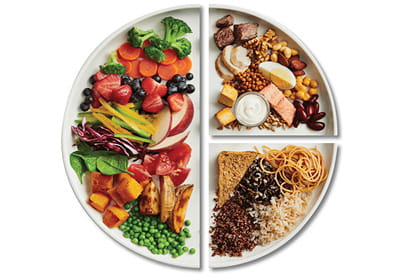
One simple meal-planning approach is:
- Half the plate: vegetables and fruits
- One-quarter: protein-rich foods
- One-quarter: whole grains or other suitable starchy foods
This is a flexible visual guide, not a strict rule. Your individual portions and nutritional needs may differ.
5. Reduce Added Sugar
Many packaged snacks, desserts, and sweetened drinks contain added sugar.
Consuming these products frequently can make it harder to maintain a balanced eating pattern.
Practical changes include choosing water instead of sugary drinks, selecting plain yogurt more often, and enjoying whole fruit as a snack.
You do not need to eliminate every sweet food. Focus on reducing excessive added sugar over time.
6. Watch Your Salt Intake
Salt contains sodium, which the body needs in small amounts. However, regularly consuming too much sodium can be harmful to health.
Packaged snacks, processed meats, instant meals, and some sauces can contain significant amounts of sodium.
Try these alternatives:
- Use herbs and spices to add flavor.
- Compare sodium information on food labels.
- Reduce the amount of salt added during cooking.
- Choose less heavily processed foods when possible.
7. Drink Water Regularly
Staying hydrated is an important part of a healthy lifestyle.
Keep a water bottle nearby, drink water with meals, and remember to drink more when your activity level or surroundings increase your fluid needs.
Water requirements are different for each person, so pay attention to your body’s needs.
8. Practice Portion Awareness
Eating balanced foods is important, but the amount you eat also matters.
Try serving meals on a plate instead of eating directly from large packages. Eat at a comfortable pace and pay attention to hunger and fullness signals.
Avoid treating portion guidance as a strict restriction. Your needs may change with activity, age, and health.
9. Prepare Meals at Home More Often
Preparing meals at home gives you greater control over ingredients, cooking methods, and portions.
You do not need complicated recipes. Simple meals made with vegetables, grains, beans, eggs, or other protein sources can be nutritious and convenient.
Cooking larger portions when practical can also provide leftovers for another meal.
10. Make Gradual Changes
One common mistake is trying to change the entire diet overnight.
Strict plans can be difficult to maintain, especially when they do not fit a person’s budget, schedule, or preferences.
Instead, focus on one or two achievable changes at a time. For example, add one vegetable to lunch or replace a sugary drink with water.
Consistency is more important than perfection.
How to Plan Healthy Meals for a Busy Lifestyle
A busy schedule can make nutritious eating more challenging. When people do not plan meals, they may depend on convenient options that do not always meet their nutritional needs.
Meal planning can make healthier choices easier.
Create a Weekly Meal Plan
Start by planning a few meals for the week. Consider your schedule, available ingredients, and food preferences.
A simple plan might include:
| Day | Breakfast | Lunch | Dinner |
|---|---|---|---|
| Monday | Oatmeal and banana | Chicken and vegetable rice | Lentil soup and whole-wheat bread |
| Tuesday | Eggs and toast | Chickpea salad | Grilled fish and vegetables |
| Wednesday | Plain yogurt and fruit | Vegetable sandwich | Chicken and brown rice |
| Thursday | Fruit and oatmeal | Bean and vegetable bowl | Vegetable omelet and toast |
| Friday | Whole-grain toast and eggs | Lentil and rice bowl | Homemade chicken and vegetable wrap |
This is an example rather than a fixed diet plan. Adjust ingredients and portions according to your preferences and nutritional needs.
Prepare Ingredients in Advance
Meal preparation does not need to involve cooking every meal for the entire week.
You can save time by:
- Washing and cutting vegetables.
- Cooking beans or lentils in advance.
- Preparing rice or other grains.
- Boiling eggs for convenient meals.
- Dividing snacks into suitable portions.
- Storing prepared food safely.
These simple steps can make everyday cooking easier.
Keep Nutritious Snacks Available
When hunger appears between meals, having convenient options can help.
Consider:
- Fresh fruit
- Plain yogurt
- Unsalted nuts
- Roasted chickpeas
- Vegetable sticks
- Whole-grain crackers
Choose snacks based on your hunger, activity level, and daily food needs.
Healthy Eating on a Limited Budget
Nutritious food does not always have to be expensive. With thoughtful shopping and meal preparation, many people can improve their eating habits while managing costs.
Choose Seasonal Produce
Seasonal fruits and vegetables may be more affordable and easier to find locally.
Compare prices and select produce that fits your budget.
Buy Useful Pantry Staples
Foods such as oats, lentils, beans, chickpeas, rice, and whole grains can be used in many different meals.
Buying suitable quantities of these ingredients can make weekly meal planning more convenient.
Use Frozen Vegetables
Frozen vegetables can be practical, nutritious, and easy to prepare. Choose options without excessive added salt or sauces when possible.
Reduce Food Waste
Plan meals around ingredients you already have. Store food correctly and use leftovers safely.
Reducing waste can help lower grocery expenses while making better use of available food.
Common Mistakes That Make Healthy Eating Difficult
Even people who understand nutrition may develop habits that make balanced eating challenging.
Skipping Meals Without a Plan
Some people skip meals because they are busy or believe doing so is automatically healthier.
However, meal timing and frequency should suit individual needs. Skipping meals may leave some people extremely hungry later in the day.
A consistent eating routine can help many people manage their daily responsibilities.
Following Extreme Diets
Highly restrictive diets may remove entire food groups or impose unnecessary food rules.
Such approaches can make eating stressful and difficult to maintain. A balanced and flexible pattern is generally more practical for long-term habits.
Depending Too Much on Processed Snacks
Packaged snacks and convenience foods can be useful occasionally, but relying on them for most meals may reduce dietary variety.
Try combining convenient options with fruits, vegetables, whole grains, and protein-rich foods.
Expecting Immediate Results
Healthy eating habits develop through repeated choices. It may take time to adjust shopping routines, cooking methods, and meal schedules.
Avoid judging progress based on a few days. Focus on the improvements you can maintain.
Ignoring Personal Food Needs
A meal plan that works for one person may not work for another.
Food allergies, medical conditions, cultural preferences, and individual nutritional requirements should all be considered when planning a diet.
How to Maintain Healthy Eating Habits Long Term
Starting a healthier routine is important, but maintaining it is what makes the biggest difference over time.
Set Realistic Goals
Choose goals that are specific and achievable.
For example:
- Include vegetables in lunch every day.
- Prepare breakfast at home several times a week.
- Drink water regularly.
- Try one new nutritious recipe each week.
- Plan grocery shopping before the week begins.
Small goals are easier to measure and adjust.
Track Your Progress
A simple food or habit journal can help you notice patterns in your daily routine.
You might record meal preparation, water intake, fruit and vegetable choices, or how consistently you follow your plan.
The purpose is to understand your habits, not to judge yourself.
Keep Your Favorite Foods in Moderation
Healthy eating does not require avoiding every food you enjoy.
A flexible approach allows you to enjoy favorite meals while maintaining an overall balanced pattern.
This can make your routine more realistic and sustainable.
Build a Supportive Environment
Your surroundings can influence food choices.
Keep convenient nutritious foods available, plan shopping lists, and involve family members in meal preparation when possible.
Support from others can make healthy routines easier to maintain.
The Connection Between Healthy Eating and an Active Lifestyle
Nutrition is only one part of overall well-being. Regular physical activity, sufficient sleep, and stress management also contribute to a balanced lifestyle.
Combine Nutritious Meals With Physical Activity
Physical activity supports general health, while nutritious meals provide energy and nutrients needed for daily movement.
Choose activities that suit your fitness level, such as walking, cycling, swimming, or recreational sports.
Prioritize Sleep
Sleep is important for physical and mental well-being. An organized evening routine and consistent sleep schedule can support better daily habits.
Manage Everyday Stress
Stress can influence appetite and food choices. Some people eat more when stressed, while others may lose interest in meals.
Taking breaks, practicing relaxation techniques, and maintaining supportive relationships can help people manage everyday stress.
A Simple 7-Day Healthy Eating Habit Challenge
A short challenge can help you begin making practical changes without feeling overwhelmed.
| Day | Healthy Habit to Practice |
|---|---|
| Day 1 | Add one serving of fruit to your daily meals. |
| Day 2 | Include vegetables in lunch or dinner. |
| Day 3 | Choose a whole-grain food instead of a refined option. |
| Day 4 | Replace one sugary drink with water. |
| Day 5 | Prepare one balanced meal at home. |
| Day 6 | Try a different protein source, such as beans or lentils. |
| Day 7 | Plan meals and create a grocery list for the coming week. |
After completing the challenge, continue the habits that fit your lifestyle. You can repeat the process and gradually introduce other improvements.
Frequently Asked Questions About Healthy Eating Habits
What are the best healthy eating habits to develop?
Some useful habits include eating a variety of fruits and vegetables, choosing whole grains, including protein-rich foods, drinking enough water, limiting excessive added sugar, and planning balanced meals.
How can beginners start eating healthier?
Start with small changes instead of following a strict diet. Add vegetables to one meal, choose water more often, prepare simple meals at home, and gradually improve your food choices.
Is eating healthy expensive?
Not necessarily. Affordable foods such as lentils, beans, oats, seasonal vegetables, eggs, and locally available fruits can contribute to nutritious meals.
How long does it take to develop healthy eating habits?
There is no fixed timeline. It depends on the individual, the habit, and the surrounding environment. Repeating small, realistic actions can help make healthier choices part of a regular routine.
Should I completely avoid sugar and processed foods?
Most people do not need to follow an all-or-nothing approach. It is generally more practical to limit excessive added sugar and highly processed foods while maintaining a varied and balanced diet.
Is breakfast necessary for healthy eating?
Breakfast can be a convenient opportunity to include nutritious foods, but individual meal schedules differ. What matters most is maintaining an eating pattern that meets your nutritional needs.
How can I maintain a balanced diet while working or studying?
Plan meals in advance, keep convenient nutritious snacks available, prepare ingredients ahead of time, and choose simple meals that fit your schedule.
What is the easiest way to maintain healthy eating habits?
Begin with one manageable change and repeat it consistently. Once it becomes part of your routine, introduce another improvement. A flexible approach is usually easier to maintain than strict food rules.
Conclusion
Building healthy eating habits is a gradual process that starts with everyday decisions. Choosing a variety of nutritious foods, drinking enough water, planning meals, and paying attention to portion sizes can help create a more balanced lifestyle.
You do not need an expensive meal plan or a perfect diet to begin. Simple changes, such as adding vegetables to meals, choosing whole grains, and preparing food at home, can make healthier eating more practical.
